Lawn Bowls Fours Strategy: 5 Keys to Building a Winning Team
THE ROLL UP - INTRO
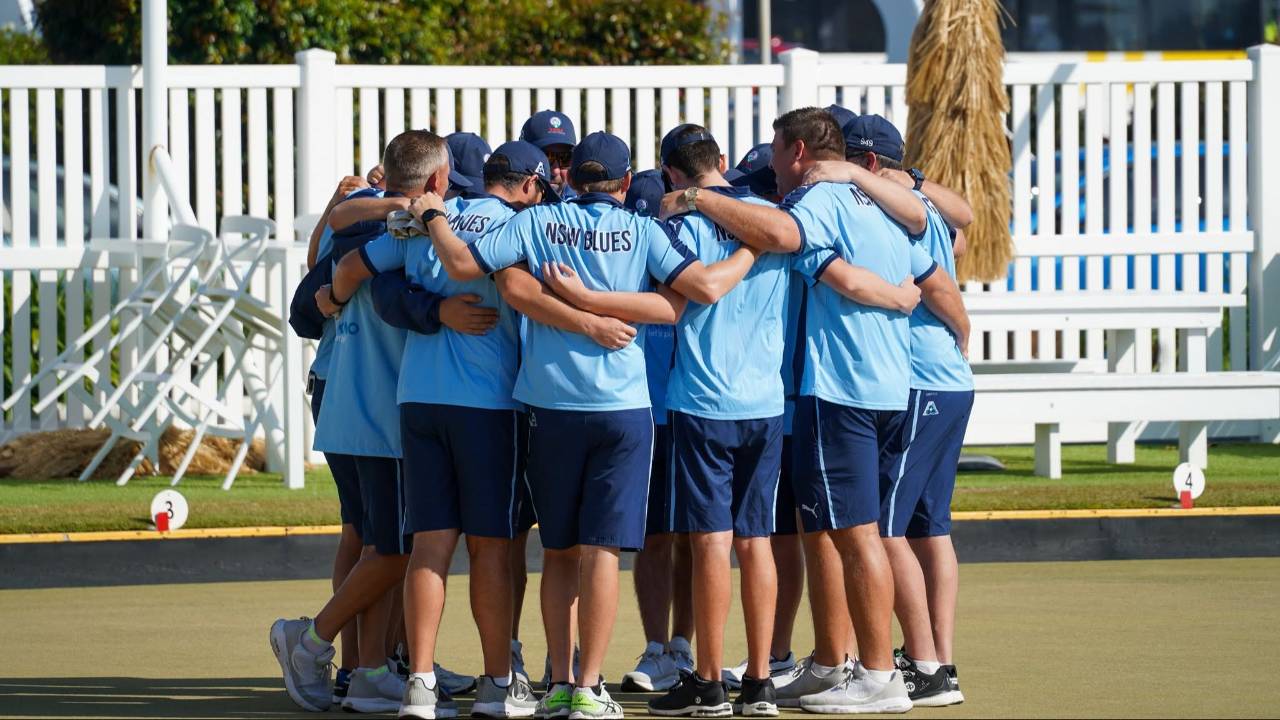
Four players. Eight bowls. Plenty of personalities, opinions and decisions.
Fours is arguably the ultimate team discipline in lawn bowls.
Unlike singles, where you are largely responsible for your own performance, success in fours depends on four players working together, understanding their individual responsibilities and making decisions that benefit the team rather than the individual.
And that is where many fours combinations struggle.
You can put four very good bowlers together and still not create a very good fours team.
At the same time, a combination of players who understand their roles, communicate well, trust each other and play with a clear team strategy can consistently outperform teams containing more individual talent.
So, what makes a successful fours side?
Here are five areas every fours team should consider.
Four good bowlers don't always make a good fours team…
1. Create a Team-First Culture
Before worrying about tactics, combinations or who should play what position, successful fours teams need one thing:
A team-first mentality.
Every player needs to understand that their performance contributes to something bigger than their individual statistics.
That means:
- Supporting teammates when they are struggling
- Acknowledging good bowls regardless of who plays them
- Avoiding blame after mistakes
- Accepting tactical decisions even when you may have chosen differently
- Remaining positive when momentum is against you
- Putting the result of the team ahead of personal recognition
You don't have to be best friends with everyone in your four. But you do need trust and respect.
One negative comment, dismissive reaction or piece of poor body language can quickly affect another player's confidence.
And once players become worried about making mistakes, performance often becomes even more difficult.
TBA Coaching Tip: Your teammate cannot change the bowl they just delivered. Help them prepare for the next one instead.
2. Know Your Role – And Own It
Every position in fours has a different responsibility.
One of the biggest mistakes players make is judging their performance solely by how many times they finish closest to the jack.
Your value to the team is determined by how effectively you perform your role.
Lead – Build the Foundation
The lead sets the tone for the end.
Their priorities should generally include:
- Consistent jack delivery
- Establishing useful bowls around the jack
- Remaining patient and disciplined
A lead does not need to touch the jack with every bowl.
A bowl slightly behind or alongside the jack can become extremely valuable later in the end.
Second – Strengthen the Head
The second often plays one of the most underrated roles in fours.
Depending on how the head develops, they may need to:
- Backup if the lead has not gained shot
- Add another scoring bowl
- Play to an offset jack
- Add positional or covering bowls
- Play controlled weight when required
This means seconds should practise more than simply drawing to a centred jack.
Their training should reflect the variety of situations they are likely to face during competition.
The second also has an important leadership role - support your lead.
If your lead is struggling, helping them regain confidence benefits the entire team.
Third – The Tactical Link
The third has both a playing and communication role.
They need to:
- Read the head accurately
- Communicate useful information
- Understand angles and possible jack movements
- Execute a wider variety of shots
- Support the skip's tactical decisions
- Manage the head calmly when under pressure
A good third doesn't need to provide an opinion about every shot.
Sometimes the most useful communication is simply giving the skip accurate information and allowing them to make the decision.
Skip – Manage the Game
Skipping is about considerably more than playing the last two bowls.
A good skip must:
- Read how the head is developing
- Understand risk versus reward
- Recognise the strengths of their teammates
- Give clear and achievable instructions
- Manage the scoreboard
- Know when to attack and when to defend
- Keep the team composed
Most importantly, the skip needs to create confidence.
Your teammates should step onto the mat believing you trust them to play the shot - not worrying about what reaction they will receive if they miss it.
3. Communicate Clearly – But Don't Over-Coach

Good fours teams communicate.
Great fours teams communicate clearly and efficiently.
There can be a temptation in fours for everyone to have an opinion.
The lead sees something.
The second sees something different.
The third suggests another option.
The skip has their own plan.
Suddenly there are four voices discussing one bowl.
Too much information can become just as damaging as not enough.
Good communication should be:
Clear. Relevant. Positive. Timely.
Instead of:
"You're narrow again."
Try:
"Maybe another half a bowl of grass."
Instead of:
"Don't be short."
Try:
"Good line, just another metre of weight."
Useful information helps the player deliver their next bowl.
Criticism simply reminds them what went wrong with the last one.
Before competition, teams should also discuss how they prefer information to be communicated.
Some players want plenty of feedback.
Others perform better with very little.
Learning how your teammates operate is part of becoming a better team player.
4. Build the Head – Don't Try to Win Every End With One Bowl
One of the biggest tactical differences between average and strong fours teams is how they build an end.
With eight bowls available, there is time to create pressure.
Not every bowl needs to finish against the jack.
A useful bowl could be:
- Behind the jack
- Covering a potential movement
- Sitting beside an opposition bowl
- Creating a target for a later weighted shot
- Limiting the potential damage if the opposition changes the head
Ask yourself:
"If this bowl finishes exactly where I am aiming, how does it help our team later in the end?"
That question changes your thinking from simply trying to get the shot to understanding the entire head.
The scoreboard matters too.
If you're holding two shots late in a close game, attacking another bowl may create unnecessary risk.
If you're five shots down, however, reducing the count from five to one can be an outstanding result.
Good fours teams understand that sometimes damage limitation is winning bowls.
5. Leave Your Ego Off the Green
We have probably all seen it.
The lead who believes they should be skipping.
The third who disagrees with every decision.
The skip waiting for the opportunity to play the spectacular conversion.
Or players more concerned about whether they personally played well than whether the team won.
Confidence is important.
Ego is different.
Successful fours players understand that sometimes their job will go unnoticed.
A lead's bowl two metres behind the jack might not look particularly impressive when delivered - but six bowls later it could become the shot that saves the end.
A second may spend half the game playing positional bowls.
A third may repeatedly be asked to play difficult recovery shots.
A skip may barely need to play a meaningful bowl because the three players in front have done their jobs exceptionally well.
That's successful fours.
Four players contributing different things towards the same outcome.
The best fours teams don't care who gets the credit.
They care about the scoreboard.
TRY THIS: THE 5-MINUTE FOURS TEAM MEETING
Before your next competition, spend five minutes discussing these questions:
- What jack length gives our four the best chance of success?
- What are each player's greatest strengths?
- How do we want information communicated?
- What will we do when one player is struggling?
- Who takes responsibility for tactical discussions?
- How will we respond after losing a big end?
- What does a good team performance look like today?
It doesn't need to become a 30-minute tactical meeting.
The goal is simply to ensure everyone begins the game on the same page.
Successful fours teams aren't simply four good bowlers wearing the same shirt.
They operate as one unit.
The lead builds the foundation.
The second strengthens the position.
The third connects the head with the tactical plan.
The skip manages the game.
But across all four positions, the same principles remain:
Trust each other. Communicate clearly. Understand your role. Play the situation. Put the team first.
You are going to miss bowls.
Your teammates are going to miss bowls.
Your skip will occasionally select a shot that doesn't work.
That's bowls.
What often separates successful combinations is how quickly they move on and focus on the next opportunity.
Because ultimately, fours isn't about four individual performances.
It's about what the four of you can achieve together.

Take advantage of our FREE Download...
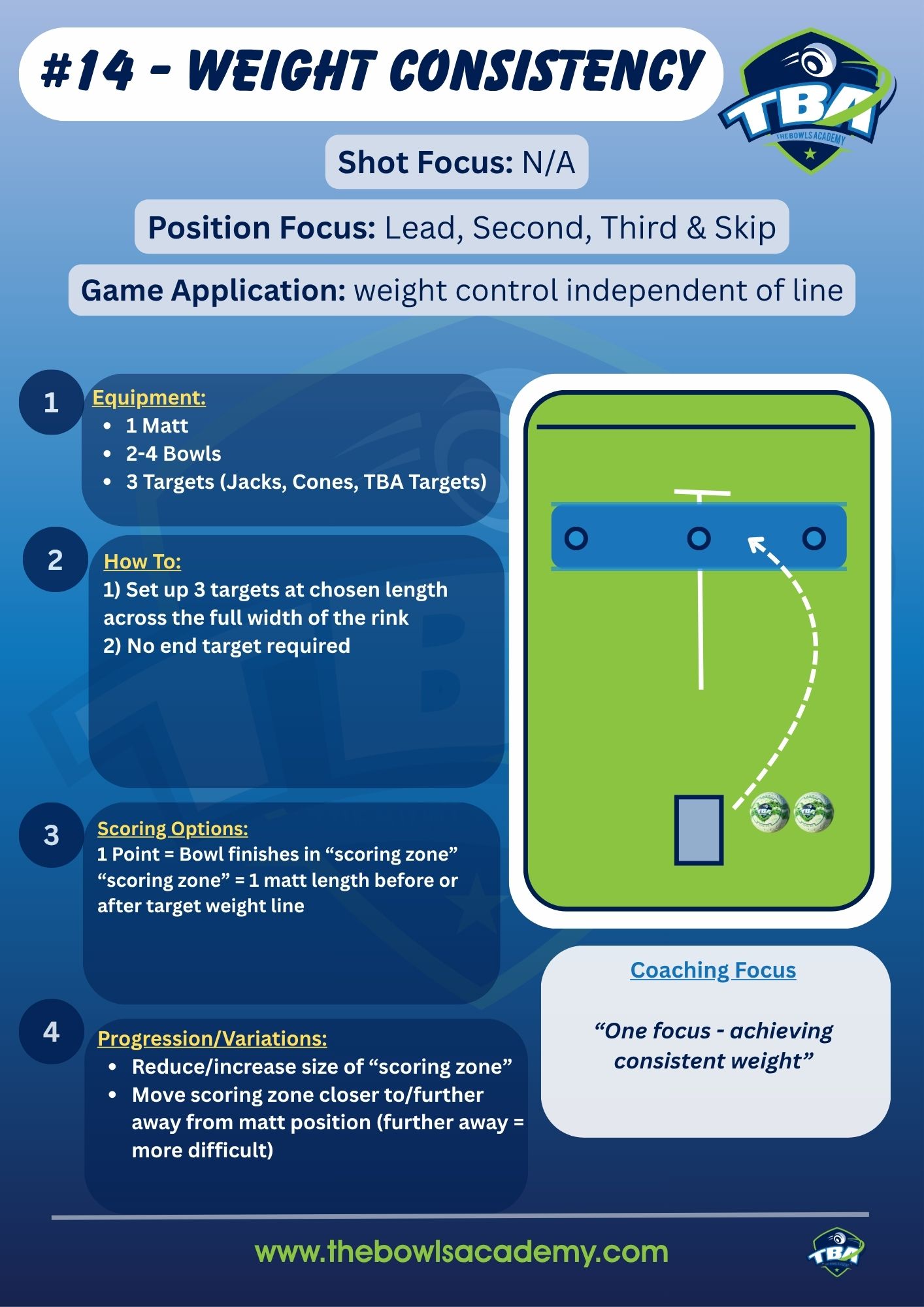
Want to improve your consistency immediately?
Download our FREE Weight & Line Consistency Drill:
👉 https://www.thebowlsacademy.com/free-weight-line-download
Want to Become a Better Bowler?
Join more than 10,000 bowlers receiving regular coaching tips, practice drills and player development resources from The Bowls Academy.
We hate SPAM. We will never sell your information, for any reason.