Lawn Bowls Triples Strategy: 5 Keys to Winning More Games
THE ROLL UP - INTRO
Triples can be one of the most entertaining and tactically challenging formats in lawn bowls.
With only three players in each team, every bowl has an important role to play. There are fewer opportunities to recover from loose opening bowls than in fours, but enough bowls in the head to create tactical options, combinations and dramatic changes of momentum.
There are two common variations of triples:
- Two-bowl triples, where each player delivers two bowls.
- Three-bowl triples, where each player delivers three bowls.
The additional bowl in three-bowl triples can create more opportunities to build, protect or attack the head. Two-bowl triples can be less forgiving because every player has fewer opportunities to influence the end.
However, the same fundamental principles apply to both formats.
Successful triples teams are not simply three individually talented bowlers. They are teams in which every player understands their role, communicates effectively and recognises how their bowl can help the players who follow.
Here are five practical strategies that can help your triples combination win more games.
Lawn Bowls Triples Strategy: 5 Keys to Winning More Games
1. Understand What Each Position Contributes
Before a triples team can perform consistently, every player needs to understand what is expected of them.
The roles should complement one another.
The lead establishes the head and creates the team’s first opportunity to apply pressure.
The second connects the lead’s work with the skip’s bowls. They may be required to draw, cover, protect, change the head or provide tactical information.
The skip manages the overall strategy, makes the final shot selections and delivers the final bowls of the end.
Although these roles are different, no position operates independently.
A skip cannot continually rescue poorly constructed heads. A second cannot make good tactical decisions without understanding what the lead’s bowls have created. A lead needs to consider how their bowls will affect the options available to the players following them.
Before playing together, discuss:
- Your preferred jack lengths.
- The strengths of each player.
- How distances and instructions will be communicated.
- How aggressively the team wants to approach different situations.
- How you will respond when one player is struggling.
Clear roles create confidence. Players can step onto the mat knowing what the team needs rather than attempting to invent a new strategy with every bowl.
2. The Lead Must Build a Strong Platform
The lead’s role is not simply to deliver the jack and try to rest a bowl against it.
A good lead thinks about how both of their bowls can help construct the end.
The first bowl should ideally establish a useful position around the jack. It does not always need to be directly beside it. A bowl slightly short, behind or to one side can still become an important part of the head.
Before delivering the second bowl, the lead should assess what their first bowl has created.
Ask:
- Is there room to add another scoring bowl?
- Do we need position behind the jack?
- Where would my bowl make life difficult for the opposition second?
Trying to draw directly onto the jack with every bowl can result in several bowls finishing in the same area. This may leave the team exposed if the jack is moved.
A lead who consistently places bowls in useful positions gives the second more options and allows the skip to make decisions from a position of strength.
The objective is not to play the perfect bowl every time.
The objective is to begin building a head.
3. The Second Is the Tactical Link
The second can be one of the most influential positions in a triples team.
They often arrive at the mat with some bowls already in play and must decide whether to continue building the head, protect an advantage or change the situation.
Depending on the head, the second may be required to play:
- A draw to the jack.
- An offset draw.
- A bowl behind the jack.
- A covering bowl.
- A controlled weighted shot.
- A bowl intended to move the jack or another bowl.
- A defensive bowl that limits the opposition’s scoring opportunity.
This makes versatility extremely valuable.
However, versatility does not mean attacking every difficult head.
Sometimes the second’s most valuable contribution is drawing second or third shot, covering a potential jack movement or reducing the opposition’s count.
The second should also help communicate accurate information to the skip.
Useful information might include:
- Which team holds shot.
- Approximate distances from the jack.
- Whether a bowl is jack-high.
- Available gaps and angles.
- What position exists behind the jack.
- What could happen if the jack is moved.
The second should provide clear information without overwhelming the skip or attempting to control every decision.
A strong second connects the team tactically. They turn the platform created by the lead into a head the skip can manage.
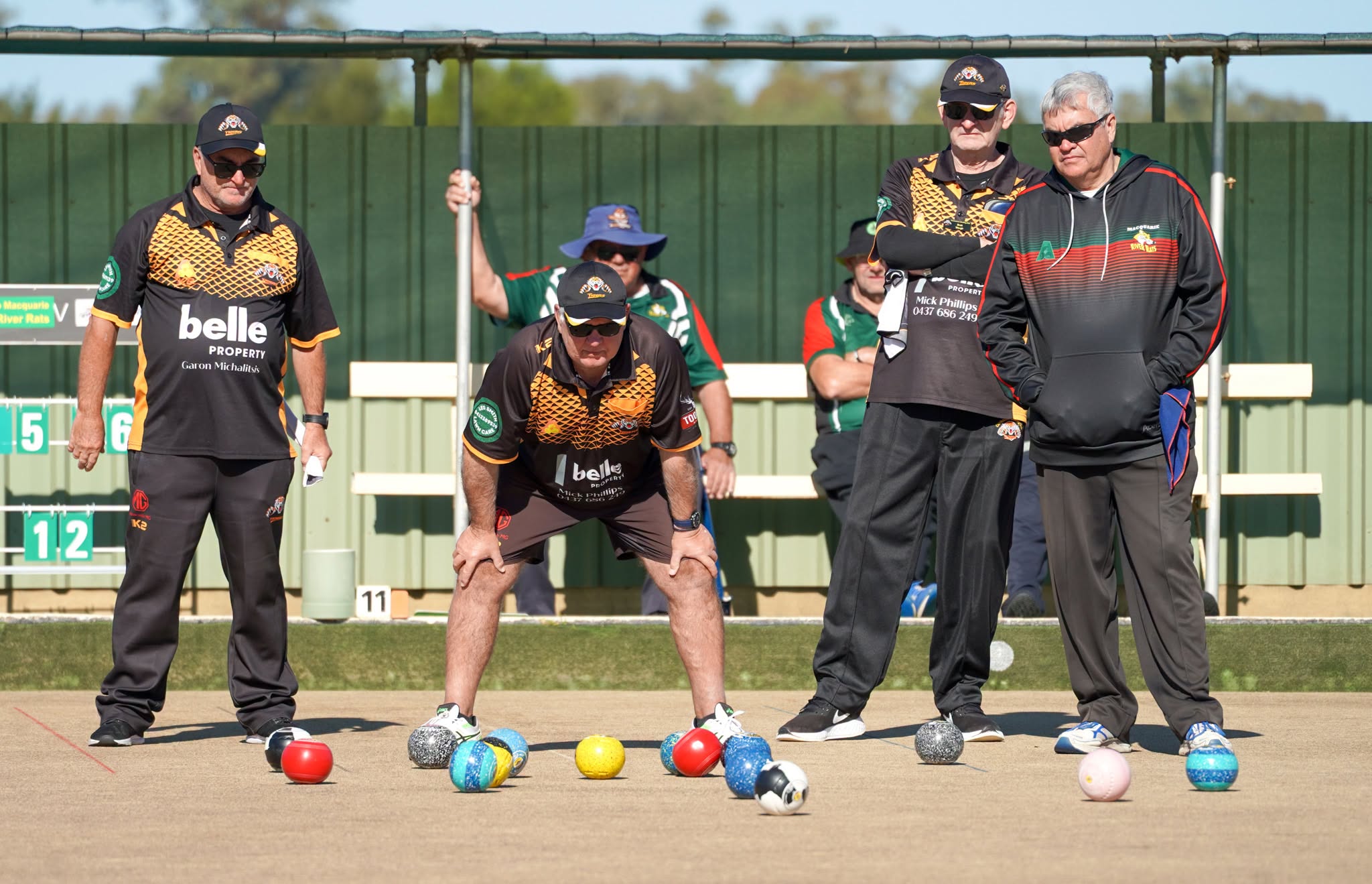
4. The Skip Should Play the Situation, Not the Highlight Shot
The skip is often expected to produce the spectacular conversion or match-winning bowl.
Good skipping, however, is not about constantly playing difficult shots.
It is about selecting the bowl that gives the team the best chance of achieving a positive result.
Before making a decision, the skip should consider:
- The current score.
- How many bowls remain.
- Whether the team is holding shot.
- The position of bowls behind the jack.
- What happens if the selected shot misses.
- Whether the team needs to score, reduce, protect or attack.
- The strengths and confidence of the player delivering the bowl.
When holding shot, the best option may be to add another bowl, protect the head or cover a possible jack movement.
When several shots down, the correct decision may be to reduce the count rather than attempt a low-percentage bowl to win the end.
This is particularly important in two-bowl triples. With only two bowls available, the skip may not have another opportunity to recover from an overly aggressive decision.
There will still be moments when an attacking shot is required.
The key is recognising the difference between attacking because the situation demands it and attacking simply because the shot looks exciting.
The best skips do not try to win every end with one bowl. They manage the game across every end
5. Create Multiples and Limit the Damage
Triples games can change quickly.
One team may appear in control before conceding a multiple and watching the momentum shift. This is why scoreboard management is so important.
When your team is holding shot, look for opportunities to build a score without exposing the head unnecessarily.
Ask:
- Can we add another scoring bowl?
- Can we protect our current shots?
- Is there a safe position that creates a larger scoring opportunity?
- Could an aggressive bowl turn our advantage into a disadvantage?
When your team is down, the objective does not always need to be winning the end.
Turning four shots down into one shot down is a successful result.
Teams often lose control of games because they attempt a difficult conversion when a more achievable bowl could reduce the damage. Missing the aggressive option may leave the opponent with an even larger count.
Strong triples teams understand two important principles:
- When you have the opportunity, build multiples.
- When the opposition controls the head, lose small.
This approach keeps pressure on the opposition and prevents one poor end from undoing several ends of good work.
It also helps the team remain patient when behind on the scoreboard. A triples game can change quickly, so there is rarely a reason to abandon your normal process too early.
A SIMPLE TRIPLES TEAM EXERCISE
Before your next competition, ask each player to separately answer these questions:
- What are my two greatest strengths?
- What do I believe each teammate’s greatest strengths are?
- Which jack length gives our team the best chance of success?
- Which shots am I most likely to play in my position?
- How can we communicate more effectively?
Compare the answers and identify any common themes.
You might discover that all three players prefer a similar jack length, that your second is particularly confident playing controlled weight or that your lead would benefit from clearer feedback about distances.
Use the discussion to create a simple team plan.
During practice, play several ends in your normal positions and give each player a specific objective:
- The lead focuses on establishing two useful bowls.
- The second focuses on building or protecting the head.
- The skip focuses on managing risk and limiting the opposition’s scoring opportunities.
After each end, discuss whether the bowls worked together as a team rather than judging each delivery in isolation.
Successful triples teams make every bowl feel connected.
The lead establishes the platform. The second builds, protects or changes the head. The skip manages the situation and completes the end.
Most importantly, all three players understand that their responsibility extends beyond simply delivering their own bowls.
They communicate clearly, play shots that benefit the team and recognise when to attack, defend or accept a small loss.
Before your next triples game, focus on one question:
What does my team need from this bowl?
Making better decisions around that question can create more pressure, reduce costly ends and help your triples combination win more games.
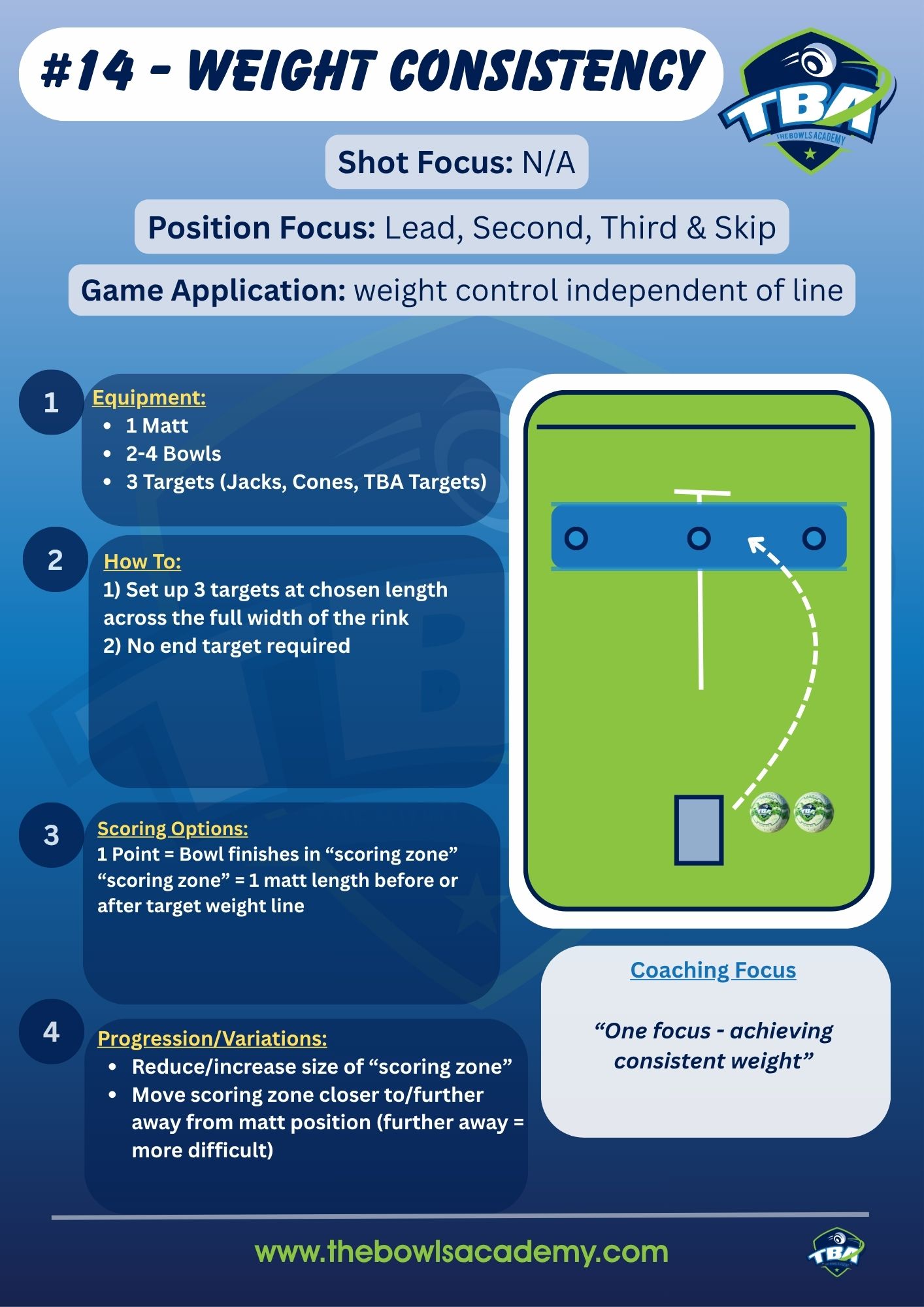
Take advantage of our FREE Download...
Want to improve your consistency immediately?
Download our FREE Weight & Line Consistency Drill:
👉 https://www.thebowlsacademy.com/free-weight-line-download
Want to Become a Better Bowler?
Join more than 10,000 bowlers receiving regular coaching tips, practice drills and player development resources from The Bowls Academy.
We hate SPAM. We will never sell your information, for any reason.