How to Read an Unfamiliar Rink Before the Game Gets Away From You
THE ROLL UP – INTRO
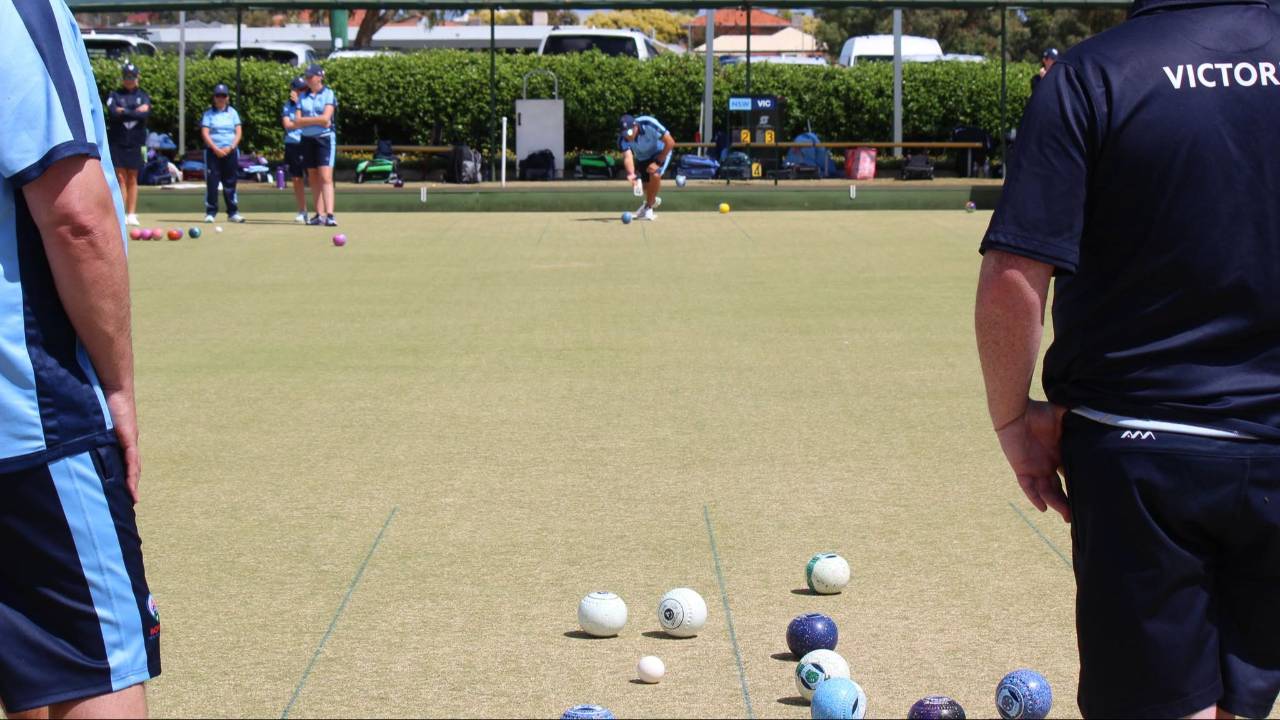
You don’t have to visit a different club to find yourself playing on an unfamiliar rink.
Even at your home club, moving a few rinks across can present a different challenge. The line you usually trust, the weight you expect and your preferred drawing side may all need reassessing.
Your opportunity to assess that rink before the game can vary, too.
Depending on the competition’s conditions of play and local arrangements, you may be allowed to practise on your allocated rink beforehand. You may only be permitted to practise on another rink or green. Sometimes your first opportunity is during two trial ends. Other formats may provide only one trial end or none at all.
Knowing the green is helpful. Understanding the particular rink you’re playing on is what matters today - using whatever opportunities are available.
The aim isn’t to have every detail worked out before the first bowl. It’s to gather useful information, make sensible decisions and keep learning as the game unfolds.
1. Know What Preparation Is Permitted
Before you begin, check the arrangements for that competition.
Find out:
- Whether practice is permitted before the game.
- Whether you can practise on your allocated rink, elsewhere on the same green or on another green.
- How many trial ends.
Do not assume the arrangements are the same as your usual pennant/league competition or club event.
Once you know what is permitted, make a simple plan for the time and bowls available.
If you can practise on your match rink, you have an opportunity to begin assessing each hand and how it plays. If you are practising elsewhere, use that time to settle your delivery and establish an initial feel for the conditions and/or green speed.
Practice on another rink can help you prepare, but it cannot help you dial into any specifics.
TBA Coaching Tip: Check the conditions of play or ask the relevant official before practising. Knowing your preparation opportunities helps you use them purposefully.
2. Adapt Your Approach to the Trial Ends Available
There is no single preparation routine that suits every format.
If you have two trial ends:
Use the available bowls to gather information about both directions and both hands.
If you have only one trial end:
Learn what you can in that direction, but recognise that the return direction remains untested unless you have already had permitted practice there. Carry an open mind into the first end played back.
If you have no trial ends:
Your first bowls are also your first opportunity to assess the match rink. Choose a clear line and purpose, commit to the delivery and use the result to inform your next decision.
Those opening bowls still need to contribute to the head. Learning the rink happens alongside competing, not through treating your first few ends as disposable practice attempts.
Whatever the format, avoid trying to reach a firm conclusion from too little information.
TBA Coaching Tip: The fewer preparation bowls you have, the more important it becomes to observe every bowl and understand useful information quickly.
3. Watch the Whole Journey
Whether you are delivering a practice bowl, a trial bowl or your first bowl of the match, look beyond where it finishes.
Ask yourself:
- How much grass did I take?
- Did I deliver along my intended line?
- Where did the bowl begin to turn noticeably?
- How far short or past the intended finishing point did it stop?
A bowl finishing close isn’t automatically proof that you have found the correct line and weight. Equally, a bowl finishing well away from the jack can still provide useful information.
You might have reached a good position through a combination of incorrect line and weight. Understanding the result can help you decide what is worth repeating.
TBA Coaching Tip: Identify one deliberate adjustment for your next shot. Changing your line, weight and delivery all at once makes it harder to understand what helped.
4. Assess Both Sides in Both Directions
Your preferred hand on another rink may not be your best starting option today.
A reliable hand towards one end does not guarantee the same experience coming back. Try to understand all four hands and not be totally focused on one.
When preparation opportunities allow, gather information about both hands in both directions. When they don’t, recognise what remains unknown and build that understanding during play.
Be specific when sharing observations:
“Facing the clubhouse, the backhand looks tight/narrow.”
That is clearer than saying, “The backhand is better,” particularly if your team includes both right- and left-handed players.
You are looking for a consistent line you can read and repeat with confidence. That isn’t necessarily the narrowest side. A wider drawing hand with a predictable turn may be more useful than a straighter side you are struggling to judge.
TBA Coaching Tip: Start with a working preference, not a permanent verdict. Limited preparation means your first choice may need changing as more bowls are played.
5. Watch Every Bowl on Your Rink
Your next opportunity to learn begins as soon as another player delivers.
Watch your teammates and the opposition. Notice whether similar things happen repeatedly along the same line.
Useful questions include:
- Are several players finishing short in this direction?
- Does one hand appear more consistent?
- Is a particular area producing a repeated change in the bowl’s path?
Different bowls have different bias characteristics, and players deliver them differently. Learn from another bowl’s behaviour without assuming you should copy its exact aiming line.
Be careful with information from neighbouring rinks, too. Someone saying, “It’s narrow on this side,” may be how the rink previously played, but that does not mean it is playing like that today.
When there are no trial ends, this observation becomes especially valuable. Seconds, thirds and skips can learn from the bowls already played before stepping onto the mat themselves.
TBA Coaching Tip: One unusual result is a reason to pay attention. A repeated pattern gives you confirmation.
6. Share Information Your Teammates Can Use
There is a difference between commenting on the rink and helping a teammate understand it.
Compare:
“This rink is terrible.”
With:
“Coming back towards the scoreboard, the last three bowls on the forehand have cut across the head severely.”
The second statement identifies the direction, the hand and the pattern.
Useful communication between teammates can help the whole team build its understanding of the rink and how it plays sooner.
TBA Coaching Tip: Keep feedback brief, factual and calm. Share what happened before deciding what it means.
7. Know When to Reconsider a Hand
Changing hands can be a good decision. Constantly switching because the last bowl missed can make an unfamiliar rink harder to understand.
Before switching, consider....
Have I given this hand a fair go?
Is the opposition continually getting them closer on the other hand?
What hand is best to play for the current head?
Even a reliable drawing side may become blocked. The best option for your next shot can change as the head develops.
There is also a difference between switching hands for one shot and changing your preferred hand for future ends.
TBA Coaching Tip: Change for a reason you can explain: “The line is blocked,” or, “We’re getting a more consistent finish on the other side.” Give the decision a purpose.
8. Keep Updating Your Reading of the Rink
Weather and surface conditions can also change during play.
Avoid automatically blaming your delivery or automatically blaming the rink.
Make a measured adjustment and observe what happens next.
Your Early-Game Checklist
Before and during the opening ends, ask yourself:
- Preparation: What practice and trial ends are permitted?
- Knowledge: How is all four hands playing?
- Weight: What am I learning about the required pace in each direction?
- Line: Where is the draw line for that length of jack?
- Communication: What have I noticed that could help my teammates?
- Adjustment: Keep an open mind throughout the game
You do not need perfect answers immediately. You need a useful starting point and the willingness to keep learning.
FINAL END
An unfamiliar rink is a problem to work through, one bowl at a time - even when it sits on a green you have played on for years.
Some competitions give you more preparation than others. You may have permitted practice and two trial ends, just one trial end, or no opportunity to test the rink before the game begins.
Make the most of the preparation available, but don’t let limited preparation become a reason to stop thinking clearly.
Watch each bowl. Share useful information. Reasses as the game develops.
You don’t need to have the rink completely worked out before the first end. You need to keep learning from it and use that information to give your next bowl a better chance.
Turn this advice into progress.
Choose your next step: purposeful practice drills, personalised delivery feedback, ongoing 1:1 coaching or an on-green development session.
Enjoyed this article?
Receive practical coaching tips and fresh practice ideas from TBA.
Unsubscribe at any time. Your details will never be sold.