Which Bowls Are Best? How to Choose the Right Bowls for Your Game
THE ROLL UP - INTRO
One of the most common questions in lawn bowls is also one of the hardest to answer:
“Which bowls are the best?”
It is a question asked by new bowlers buying their first set, experienced bowlers looking to upgrade, and competitive players trying to find that extra edge.
The problem is, there is no single “best” bowl.
There are different manufacturers, different models, different bias lines, different grips, different sizes, different weights, and plenty of opinions from bowlers at every club. Ask ten bowlers which bowls are best and you will probably get ten different answers.
But here is the truth:
The best bowl is not the one your club champion uses.
The best bowl is the one that suits your hand, your game, your green speed, your role, and the conditions you play in most often.
Bowls do not win games....
Bowlers win games - but the right equipment can help you play the game you want to play.
Which Bowls Are Best? A Practical Guide for Bowlers
Why Choosing the Right Bowl Matters
A bowl is not just a round object you send up the green. It affects your:
- comfort in the hand
- consistency of release
- ability to draw around short bowls
- ability to play weighted shots
- confidence on different surfaces
- tactical options during a game
If your bowl is uncomfortable, too big, too small, too narrow bias for your surface, or too wide for the conditions you regularly play in, you may be making the game harder than it needs to be.
That does not mean a new set of bowls will magically fix your game. It will not.
But the wrong set can restrict your improvement.
1. Comfort Comes First
Before worrying about brand, model, colour, or what the top players are using, the first question should be:
Can I hold and release the bowl comfortably?
Every bowler is different. Hand size, finger length, grip strength, flexibility, confidence, and delivery style all matter.
Just because “Dave” has won the club singles five years in a row using size 4 extra heavy bowls does not mean you should be using size 4 extra heavy bowls.
For some bowlers, a larger bowl gives a more stable feel in the hand. For others, it creates tension, poor grip pressure, and inconsistent release.
When a bowl is too large, you may start to:
- squeeze the bowl too tightly
- lose control at the bottom of the delivery
- drop the bowl onto the green
- release with the hand underneath or across the bowl
- wobble the bowl out of the hand
- feel tension through the wrist and forearm
A comfortable bowl should allow you to hold it securely without forcing your grip.
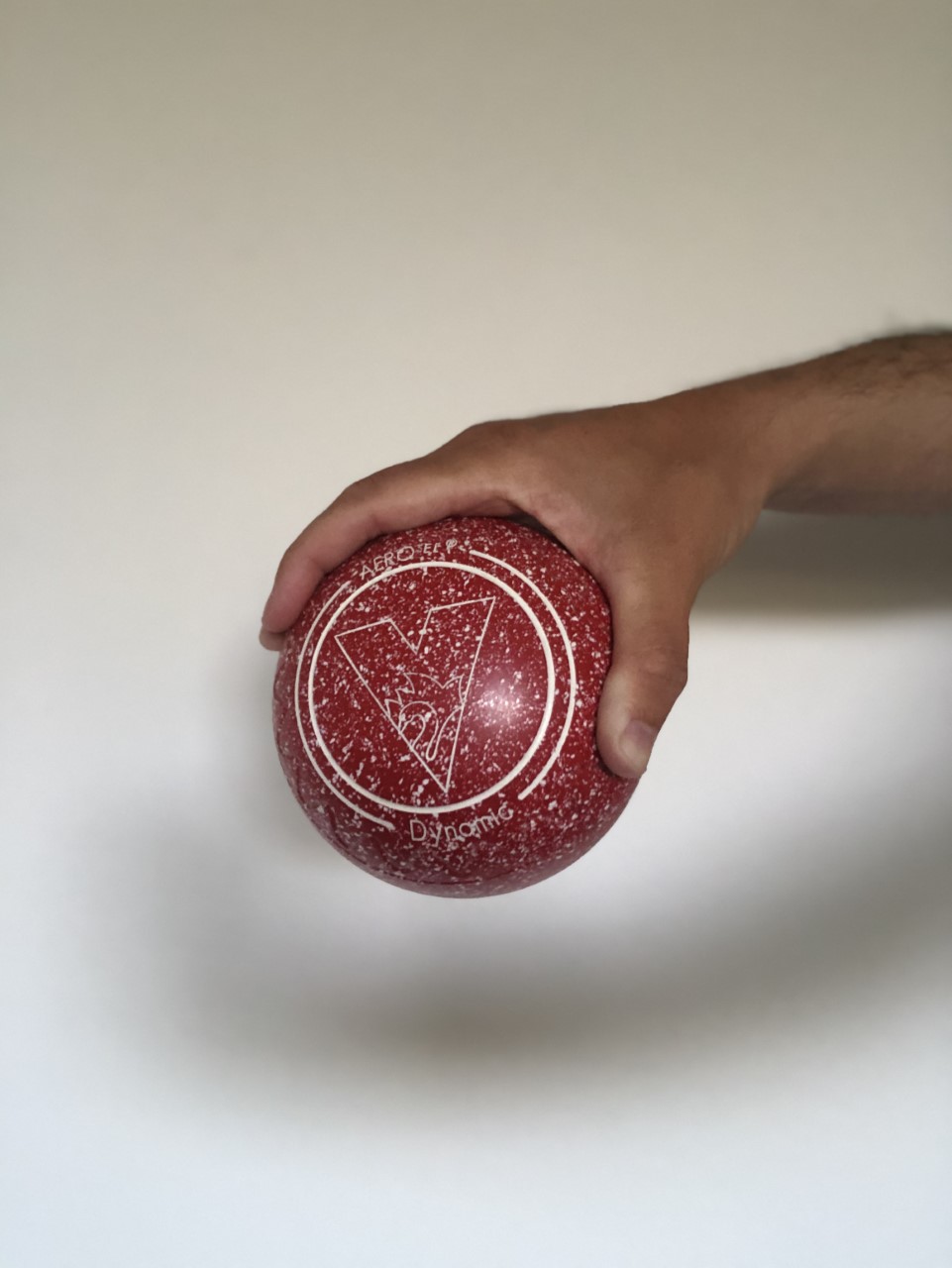
Simple Bowl Size Test
A basic guide is to hold the bowl in your normal grip and turn your hand upside down.
If you cannot hold the bowl securely without strain, it may be too big.
If it feels very easy and loose, you may be able to go up a size.
This is not a perfect test, but it gives you a useful starting point.
The goal is not simply to use the biggest bowl you can hold. The goal is to use the bowl you can control repeatedly under pressure.
That is the real test.
2. Grip Type Can Affect Your Release
Many bowlers focus on size but overlook grip.
Modern bowls usually come with different grip options, such as:
- plain grip
- dimple grip
- deep grip
- crescent-style grip
- embedded grip patterns
The right grip can make a big difference, especially for bowlers with smaller hands, reduced grip strength, arthritis, or confidence issues holding the bowl.
A deeper grip may help some bowlers feel more secure, while others may find it affects how the bowl leaves the hand.
The key is not what looks best. The key is whether the grip helps you deliver the bowl smoothly and consistently.
Ask yourself:
Does this grip help me release the bowl cleanly?
If you feel like you are not releasing the bowl out of your hand correctly, the grip or size may not be right for you.
3. Understand Bias: Narrow vs Wide Bowls
This is where many bowlers get confused.
A narrow bias bowl takes a tighter line and generally turns less.
A wider bias bowl takes more green and generally finishes with a stronger draw into the head.
Neither is automatically better.
They simply give you different options.
Narrow Bias Bowls
Narrower bowls are often popular because they can appear easier to use, especially on faster greens. They may require less green, feel simpler to aim, and can be useful on quick outdoor surfaces or indoor carpets.
But there is a downside.
If the bowl is too narrow for the surface, it can limit your ability to:
- draw around short bowls
- reach covered jacks
- play controlled reaching shots
This can make you a predictable player.
You might become very good when there is a clear path, but struggle when bowls are in your road.
Wider Bias Bowls
Wider bowls give you more options to manouver.
That can be a huge advantage when you need to draw around bowls, reach hidden jacks, play controlled yard-on shots, or find a route into a difficult head.
Wider bowls can improve your tactical options because they allow you to use more of the rink.
However, on very fast or swinging surfaces, they can also become difficult to control. If the bowl is too wide for the conditions, you may need to take too much green, which can make weight control and line selection harder.
The goal is not to use the widest bowl possible.
The goal is to use a bowl that gives you enough bias for the conditions you play most often.
4. Match Your Bowls to the Surfaces You Play On
Bowling green surfaces vary greatly.
You may play on:
- quick grass
- heavy grass
- indoor carpet
- synthetic greens
- tracky surfaces
- windy outdoor surfaces
- greens that change dramatically from morning to afternoon
This is why the same bowl can feel excellent one week and completely wrong the next.
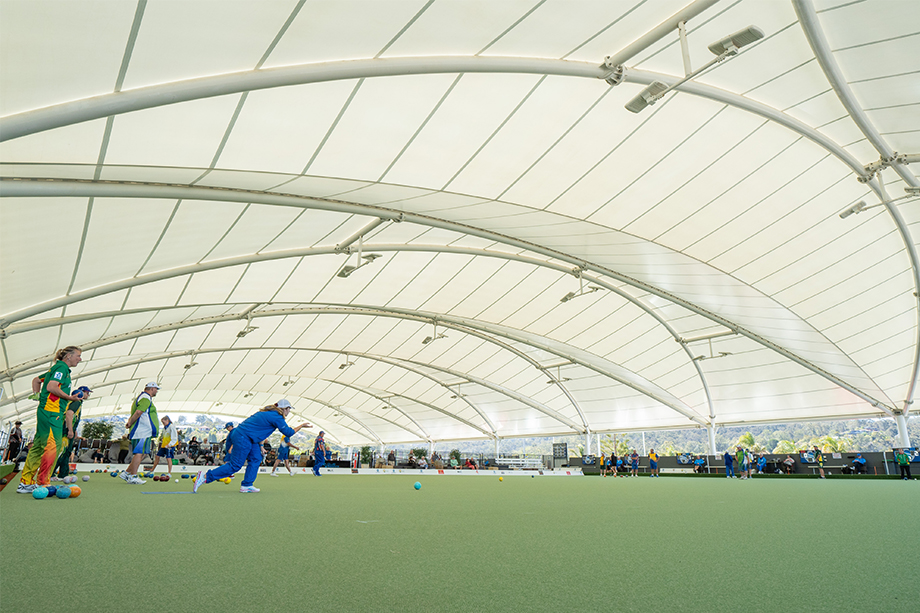
A bowl that performs well on a quick, true surface may not give you enough options on a slower green. A bowl that is excellent on a heavy outdoor green may feel too wide and difficult to manage on a fast indoor carpet.
Slow or Heavy Greens
On slower surfaces, bowls generally turn less.
This means a very narrow bowl may not give you enough bias to play all the shots you need.
On these greens, a slightly wider bowl can help you:
- draw around short bowls
- avoid traffic
- play more effective upshots
- reach covered positions
For many club bowlers who play on heavier outdoor surfaces, going too narrow can restrict development.
Quick Greens
On quicker greens, the bowl usually has more time to take its bias.
This means wider bowls can become more demanding, especially if the green has a big draw.
On faster surfaces, a slightly narrower bowl may help you control the line more easily.
But again, be careful.
Too narrow can still limit your shot-making.
The best choice depends on the surface speed, your delivery, and the type of shots you want to be able to play.
5. Do Not Choose Bowls Based Only on Your Position
A common mistake is thinking:
“I’m a lead, so I only need narrow bowls.”
That is too simplistic.
Yes, leads often play more draw shots to an open jack. But leads still need to develop a full game. They still need to manage different hands, different lengths, covered jacks, changes in pace, and pressure moments.
If a newer bowler chooses a very narrow bowl because it feels easier at first, they may find it harder to progress later.
As you move into second, third, or skip positions, shot variety becomes even more important.
You need to be able to:
- draw around bowls
- rest bowls
- trail the jack
- play controlled weight
- arrive through gaps
- convert heads
- protect positions
A bowl that only works when the path is clear may hold your game back.
6. Wider Bowls Can Develop Better Shot-Makers
This does not mean every player should use a wide swinging bowl.
But there is a reason many strong players prefer bowls that offer more bias.
A bowl with more bias forces you to understand:
- line
- weight
- green speed
- paths into the head
- correction
- head reading
- shot options
The more options you have, the harder you are to play against.
If you can only play one hand, one line, or one type of draw shot, opposition players can read you quickly.
A bowler with wider bowls has more ways to solve problems.
7. Be Careful Copying Elite Players
It is natural to look at elite players and wonder what bowls they use.
But there are a few problems with copying them.
Elite players often:
- play on faster, better-prepared greens
- have access to multiple sets
- adjust equipment for different events
- have highly repeatable deliveries
- understand green speed and bias extremely well
- can manage bowls that may be difficult for club players
What works for a national-level player on quick greens may not suit a club bowler on a heavy local surface.
So instead of asking, “What do the best players use?”, ask:
“What bowl gives me the best chance to play the full range of shots on the greens I play most?”
That is a much better question.
8. One Set of Bowls May Not Suit Every Condition
Golfers carry different clubs for different situations.
Bowls players often try to use one set for everything.
For many social or club players, one set is perfectly fine. But if you play in different locations, competitions, indoor events, or on both slow and fast surfaces, a second set can be a real advantage.
A second set does not need to be completely different.
In fact, the best option is often the same brand, same size, and same grip, but with a slightly different bias.
That way, the bowl still feels familiar in your hand.
For example:
- one set for slower/heavier outdoor greens
- one set for quicker greens or indoor surfaces
You do not need multiple sets to be a good bowler.
But having equipment options can help you adapt.
9. The Conditions Can Change During a Game
Even on the same green, conditions can change.
A green may play differently because of:
- heat
- moisture
- wind
- shade
- rain
- time of day
- rink position
- maintenance
- foot traffic
- speed changes during an event
A bowl that looked perfect in the morning may feel different by the afternoon.
This is why adaptability matters.
The best bowlers do not just blame the bowl. They adjust their line, weight, mat placement, hand choice, and shot selection.
Equipment helps, but awareness wins games.
10. Do Bowls Really Make a Difference?
Yes, bowls make a difference.
But not in the way many bowlers think.
A new set will not automatically make you more consistent.
A different model will not fix poor alignment.
A narrower bowl will not solve bad weight control.
A wider bowl will not magically turn you into a better shot-maker.
The biggest improvements still come from:
- better setup
- smoother delivery
- cleaner release
- consistent weight control
- purposeful practice
- better decision-making
- stronger mental routines
The bowl is one part of the performance puzzle.
Important, yes.
But not everything.
11. How to Choose the Right Bowls: A Simple Checklist
Before buying a new set, ask yourself these questions.
1. What surfaces do I play on most?
Are they generally slow, medium, or quick?
2. What role do I usually play?
Lead, second, third, skip, singles player, or a mix?
3. Do I struggle to draw around bowls?
If yes, your bowls may be too narrow for your surface, or your line/weight understanding may need work.
4. Do I struggle with bowls finishing too wide?
If yes, your bowl may be too wide for the conditions, or your weight control may need refining.
5. Does the bowl feel comfortable in my hand?
Comfort and release consistency matter more than colour, brand, or what someone else uses.
6. Can I release the bowl cleanly under pressure?
A bowl that feels fine in roll-up may not feel the same in a pressure game.
7. Can I play more than one type of shot with it?
Your bowl should help you develop options, not restrict you to one predictable line.
12. Try Before You Buy
Where possible, do not buy purely from a website, or someone else’s opinion.
Try different bowls.
Borrow from clubmates.
Ask to roll a few ends with different sizes and models.
Test them on both hands.
Try different lengths.
Try drawing around a short bowl.
Try controlled weight.
Try playing from different mat positions.
A bowl can feel good over two trial ends and still not suit you over a full game. Give yourself enough time to judge properly.
13. Common Mistakes Bowlers Make When Buying Bowls
Buying what the best player at the club uses
Their hand, delivery, experience, role, and green conditions may be completely different to yours.
Choosing the narrowest bowl because it feels/or should be easier
It might help on an open draw, but it can restrict your shot-making long term.
Going too big in size
A bigger bowl is only useful if you can control it comfortably.
Focusing too much on colour
A good-looking bowl is nice. A comfortable, reliable bowl is better.
Thinking new bowls will fix technique
They will not. Technique still matters most.
Not considering the green speed
A bowl that works beautifully at one club may not suit another.
14. So, Which Bowls Are Best?
The best bowls are the ones that allow you to:
- hold the bowl comfortably
- release it cleanly
- control line and weight
- play a full range of shots
- adapt to your regular surfaces
- develop your game over time
For many club bowlers, especially those playing on average to slower outdoor greens, choosing a bowl with a little more bias can be more beneficial than going too narrow.
It gives you more shot options and helps you become a more complete player.
But the most important point is this:
Do not choose bowls to make the game feel easier today if they limit the player you can become!
There is no perfect bowl for every player, every green, and every condition.
The right bowl for you should suit your hand, your delivery, your regular playing surface, and the type of player you want to become.
Wider bias bowls can give you more options. Narrower bowls can help on faster surfaces. A second set can be useful if you play across different conditions. But none of it replaces good technique, purposeful practice, tactical awareness, and the ability to adapt.
The bowl matters.
But the bowler matters more.
So before you buy your next set, do not just ask, “Which bowls are best?”
Ask:
“Which bowls help me play my best game, on the greens I play most, while still allowing me to improve?”
That is the question that will lead you to a better choice.
Take advantage of our FREE Download...
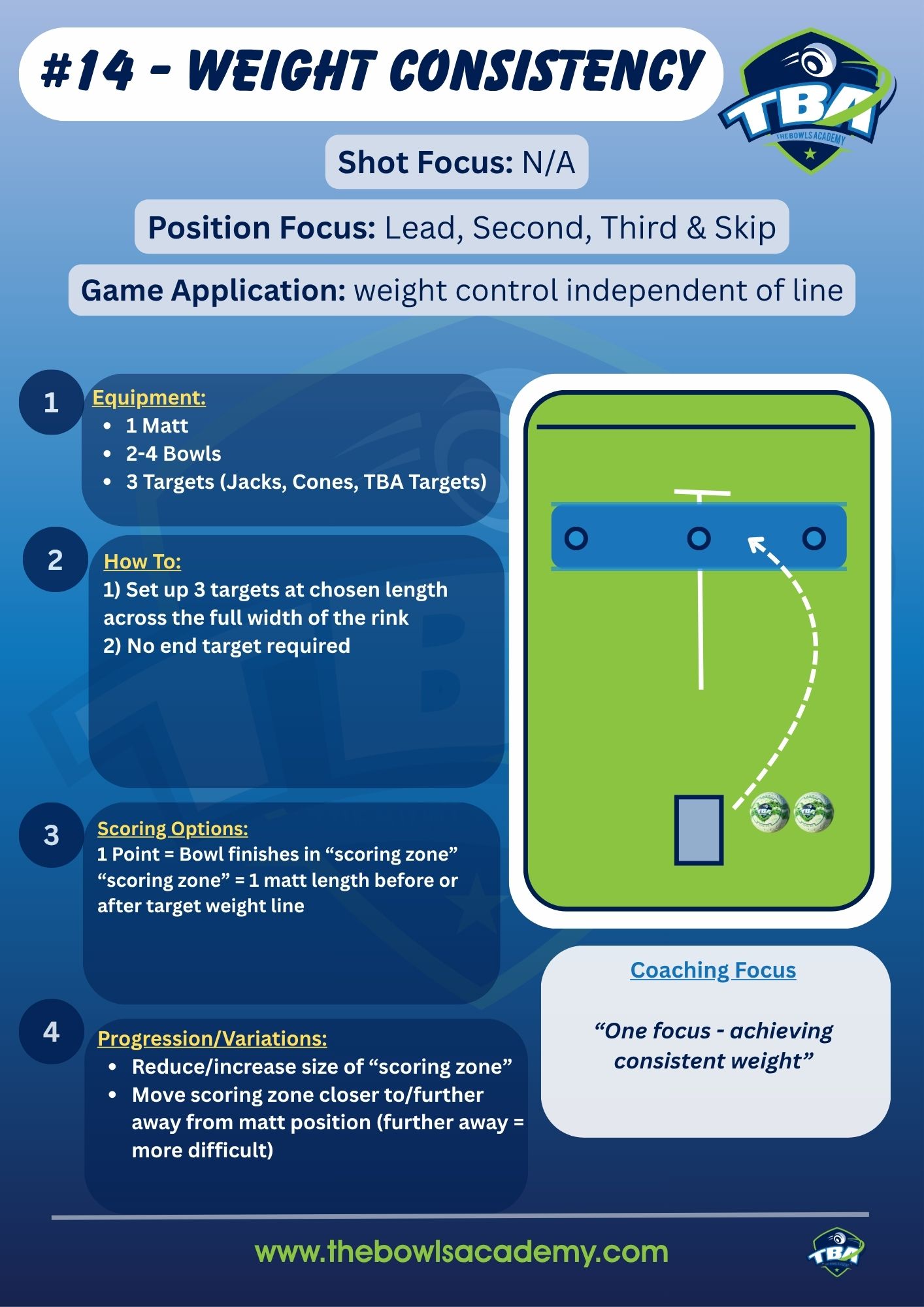
Want to improve your consistency immediately?
Download our FREE Weight & Line Consistency Drill:
👉 https://www.thebowlsacademy.com/free-weight-line-download
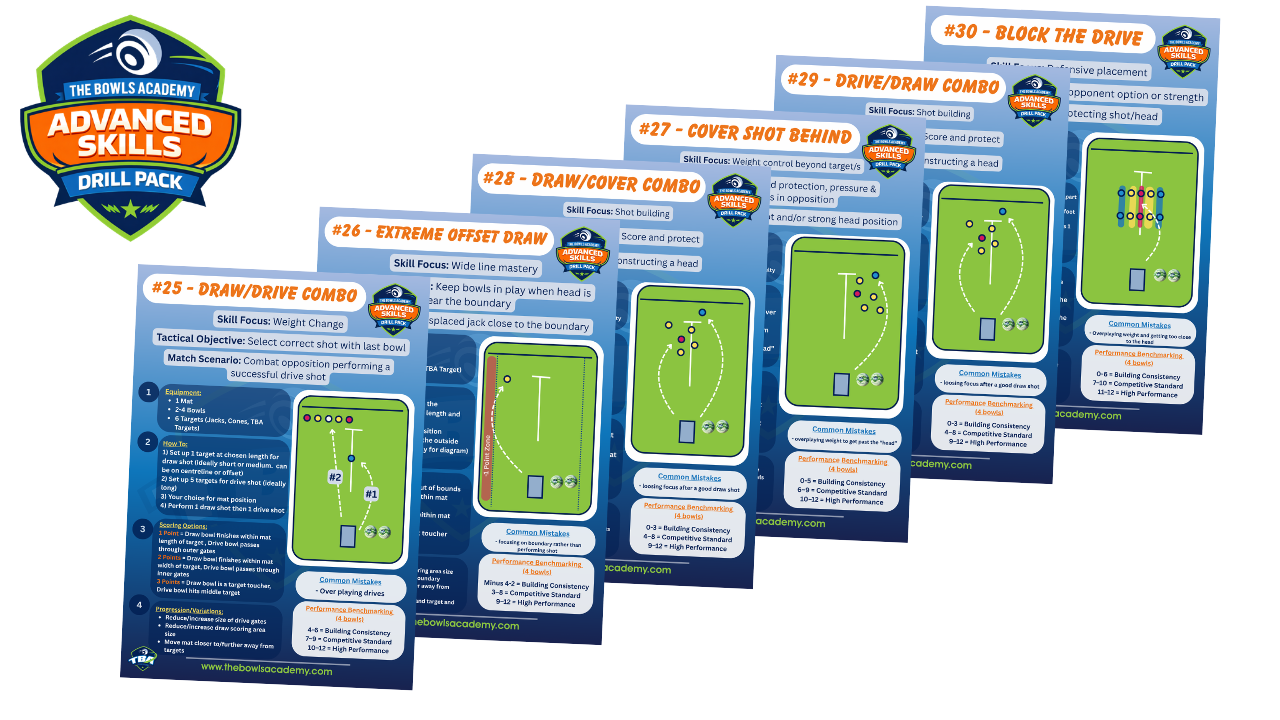
Explore the TBA Drill Pack Series or learn more about our player development programs:
👉 https://www.thebowlsacademy.com/player-development
Want more coaching tips? Subscribe to our community or check out the "What a Load of Bowls Podcast" for fortnightly insights from top bowlers around the world.
Want to Become a Better Bowler?
Join more than 10,000 bowlers receiving regular coaching tips, practice drills and player development resources from The Bowls Academy.
We hate SPAM. We will never sell your information, for any reason.