When and How to Play the Up Shot
THE ROLL UP - INTRO
Understanding intent, timing, and control
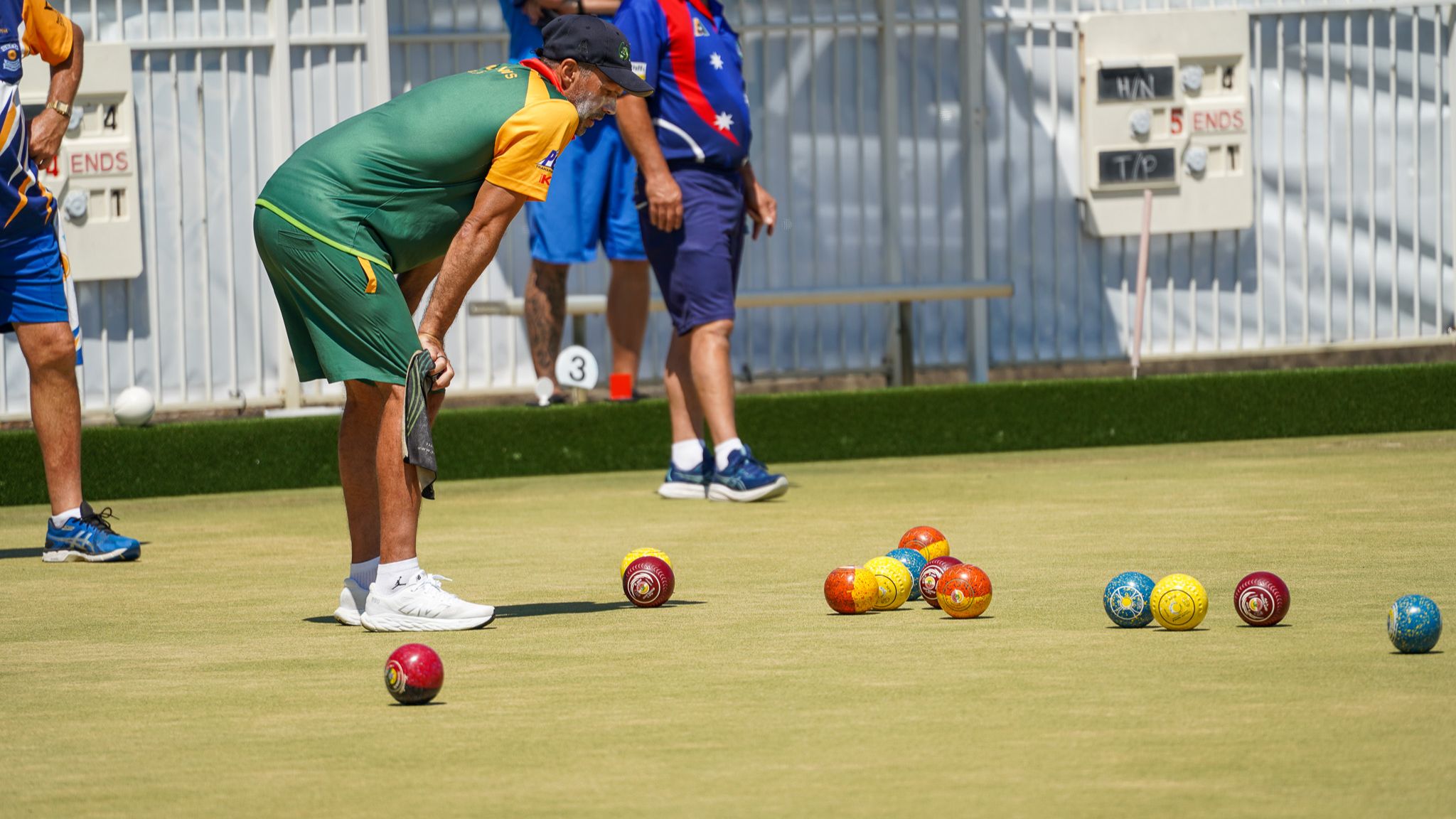
The up shot is one of the most misunderstood shots in lawn bowls. For some players it feels like an aggressive rescue option, while for others it’s a reliable way to reshape an end without resorting to a full drive. The truth sits somewhere in between. A well-played up shot is not about hitting hard, it’s about applying purposeful weight at the right moment.
Understanding when to use the up shot, and just as importantly when not to, is what separates smart percentage bowlers from those who give away cheap shots.
A smart guide to timing, weight control, and decision-making
What the Up Shot Really Is?
An up shot is best described as a controlled weighted bowl designed to move something with intent, usually an opposition bowl or the jack while still remaining in or near the head. Unlike a drive, the goal isn’t destruction. Unlike a draw shot, the goal isn’t precision to the inch. I t’s a blend of impact and control.
Good up shots have a sense of calm and control. They are delivered with commitment, but without panic.
Choosing the Right Moment
Timing is everything with an up shot. The shot makes sense when the head is relatively open and the situation calls for change rather than protection. If you’re chasing one or two shots and there is space to work with, an up shot can subtly swing the head in your favour without exposing you to major risk.
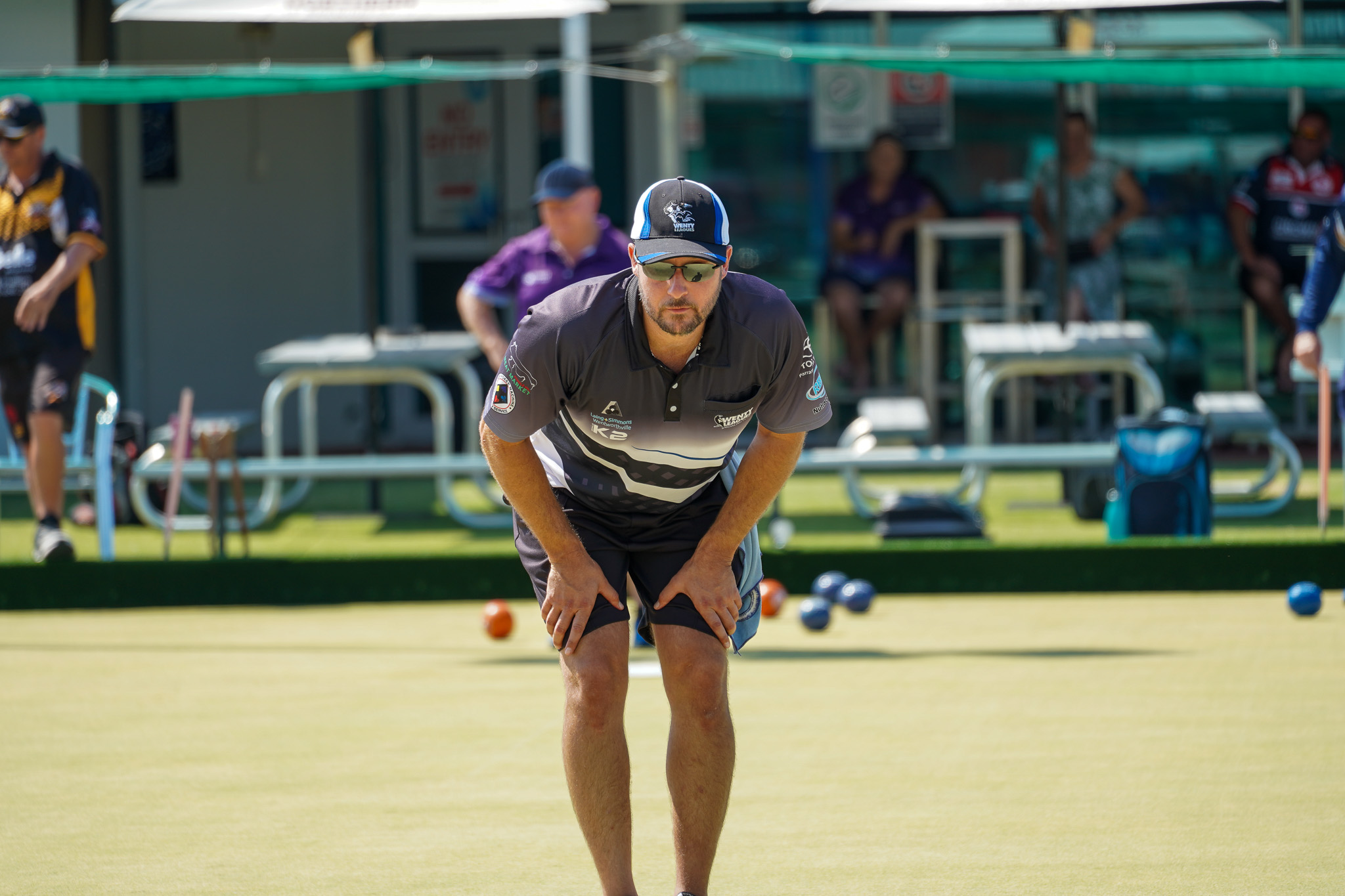
Late in the end, the up shot often becomes a percentage decision rather than a gamble. When drawing for shot is unrealistic due to traffic or narrow pathways, controlled weight offers a realistic alternative. In these moments, even improving the head slightly, for example - four down to two down can feel like a win.
Where players get into trouble is using the up shot too early. Early in the end, there is usually more value in building pressure through drawing and tactical covering. Up shots played without a supporting bowls often help the opposition more than they help you.
Reading the Head Before You Commit
Before playing an up shot, the best players take a moment to visualise what success actually looks like. It’s not just about making contact, it’s about what happens next. A good up shot leaves something behind. A bad one clears the area and hands control straight back.

If the jack is exposed or slightly off-centre, an up shot becomes a much stronger option. Small jack movements can be incredibly powerful, especially when you already have bowls positioned behind or around the head. On the other hand, tightly packed heads reduce predictability. In those situations, even perfect execution can lead to poor outcomes.
Executing the Shot With Control
Technically, the up shot requires commitment without tension. The line is often slightly straighter than a draw, but rarely direct. Allowing a touch of bias and less weight reduces the chance of your bowl going out of play after contact.
Weight control is the defining factor. Many missed up shots fail not because of line, but because the bowler delivers either too softly - failing to move anything - or too firmly - sending everything out of the head. The ideal weight is enough to make a meaningful change while still allowing the bowl to remain in play.
Confidence plays a major role. Indecision almost always results in half-hearted deliveries. Once the decision is made, the delivery should be positive and committed.
Common Errors That Undermine the Up Shot
The most common mistake is confusing an up shot with a drive. When frustration creeps in, players tend to add unnecessary weight, turning a percentage play into a high-risk shot. Another frequent error is playing the up shot while already holding shot, effectively undoing good work.
Emotion also plays a role. The up shot should be a calculated decision, not a reaction to a bad bowl or a missed opportunity. The moment emotion takes over, control disappears.
Key Takeaways
-
The up shot is a controlled weighted shot, not a drive
-
Timing matters - late in the end and semi open heads suit the up shot best
-
Always visualise the outcome after contact, not just the hit
-
Slight angles reduce chaos and increase consistency
-
Commitment to weight and line is critical
-
If you’re already holding shot, protection is usually the better option if risk is involved
The up shot is not a rescue shot or a show of strength, it’s a strategic tool. Its true value lies in knowing when it makes sense and having the confidence to execute it calmly.
Master the timing. Respect the risk. And when the moment is right, trust your weight.
Want more coaching tips? Subscribe to our community or check out the "What a Load of Bowls Podcast" for fortnightly insights from top bowlers around the world.
Listen to one of our latest episodes...
Want to Become a Better Bowler?
Join more than 10,000 bowlers receiving regular coaching tips, practice drills and player development resources from The Bowls Academy.
We hate SPAM. We will never sell your information, for any reason.