Lead, Second, Third, Skip: Roles & Responsibilities Explained
THE ROLL UP - INTRO
In lawn bowls, a team doesn’t succeed simply because four players can roll a good bowl. Success comes from clarity of roles, trust in responsibilities, and an understanding that every position contributes differently to the final result. Too often, teams struggle not through lack of skill, but through confusion and players trying to do too much, or not enough, at the wrong time.
Each position in a bowls team exists for a reason. When players fully embrace their role, the game becomes simpler, pressure reduces, and performance improves.
Every Position Matters: Understanding Roles in Lawn Bowls
The Lead: Building the End from the First Bowl
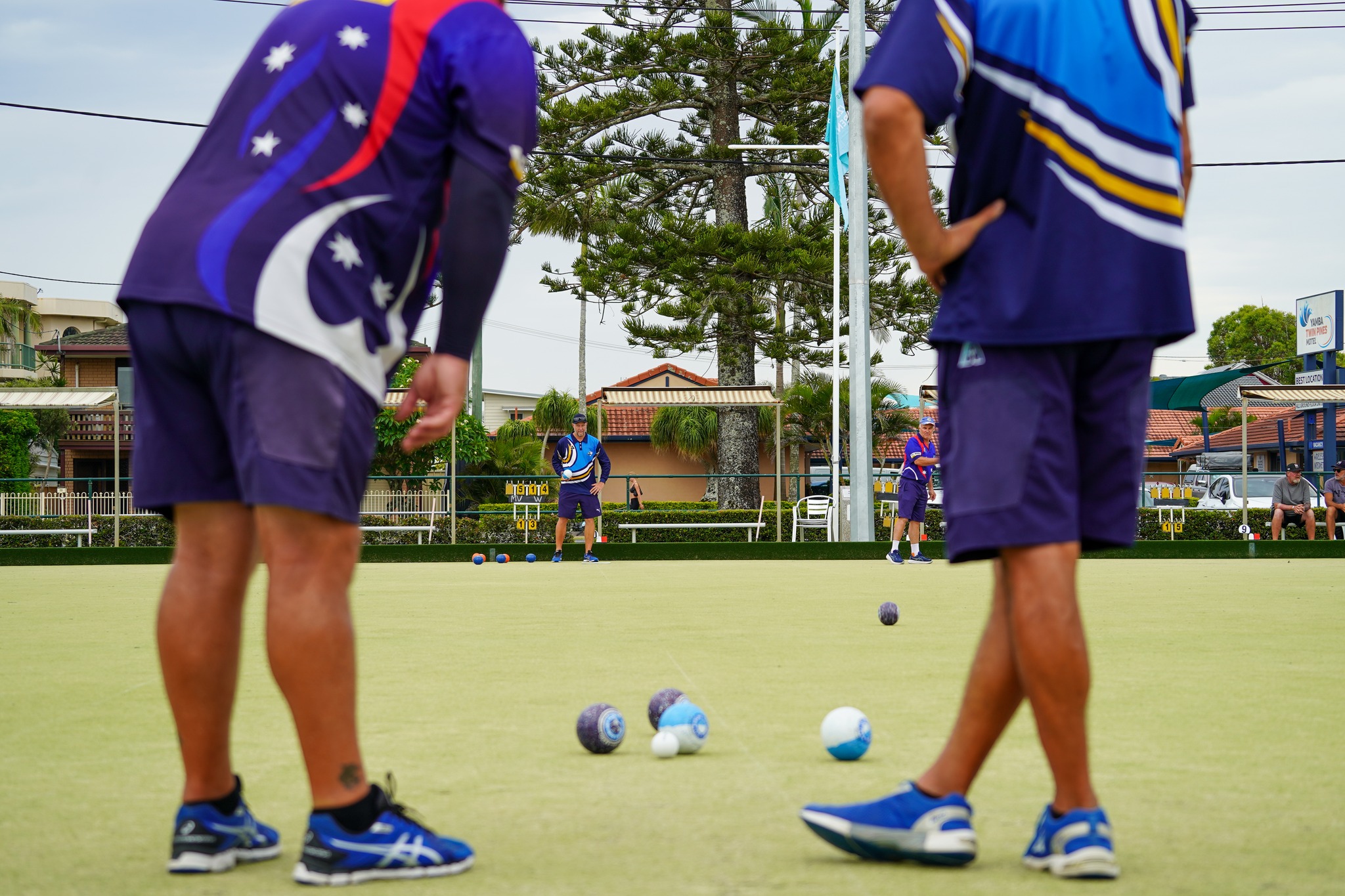
The lead’s role is about foundation and consistency. Every end begins with their ability to set up the head in a way that gives the team opportunity. This starts with delivering the jack to a repeatable and agreed length, then following it with draw shots that establish line and weight for those to follow.
A strong lead doesn’t chase perfection or attempt to dominate the end early. Instead, they focus on reliability. Even when conditions are difficult, their calm and repeatable approach provides valuable information to teammates. A good lead creates confidence; a struggling lead can place pressure on everyone else before the end has even developed.
Above all, the lead must understand that their success is measured not by winning the end outright, but by how well they set up the team.
The Second: Strengthening and Applying Pressure
The second plays a critical transitional role. With the head beginning to take shape, their responsibility is to improve what already exists. This often means reinforcing good bowls, adding cover, or gently shifting the balance of the head in their team’s favour.
Seconds are often asked to be adaptable. While draw shots remain the priority, this position is frequently where players start to develop controlled variations, up shots, positional bowls, or simple corrections when the head begins to drift away from the team plan.
Good seconds understand the skip’s objective for the end and work toward it patiently. They resist the temptation to play low-percentage shots too early and instead apply steady pressure that forces the opposition to take risks later.
The Third (Vice-Skip): Information, Insight and Control
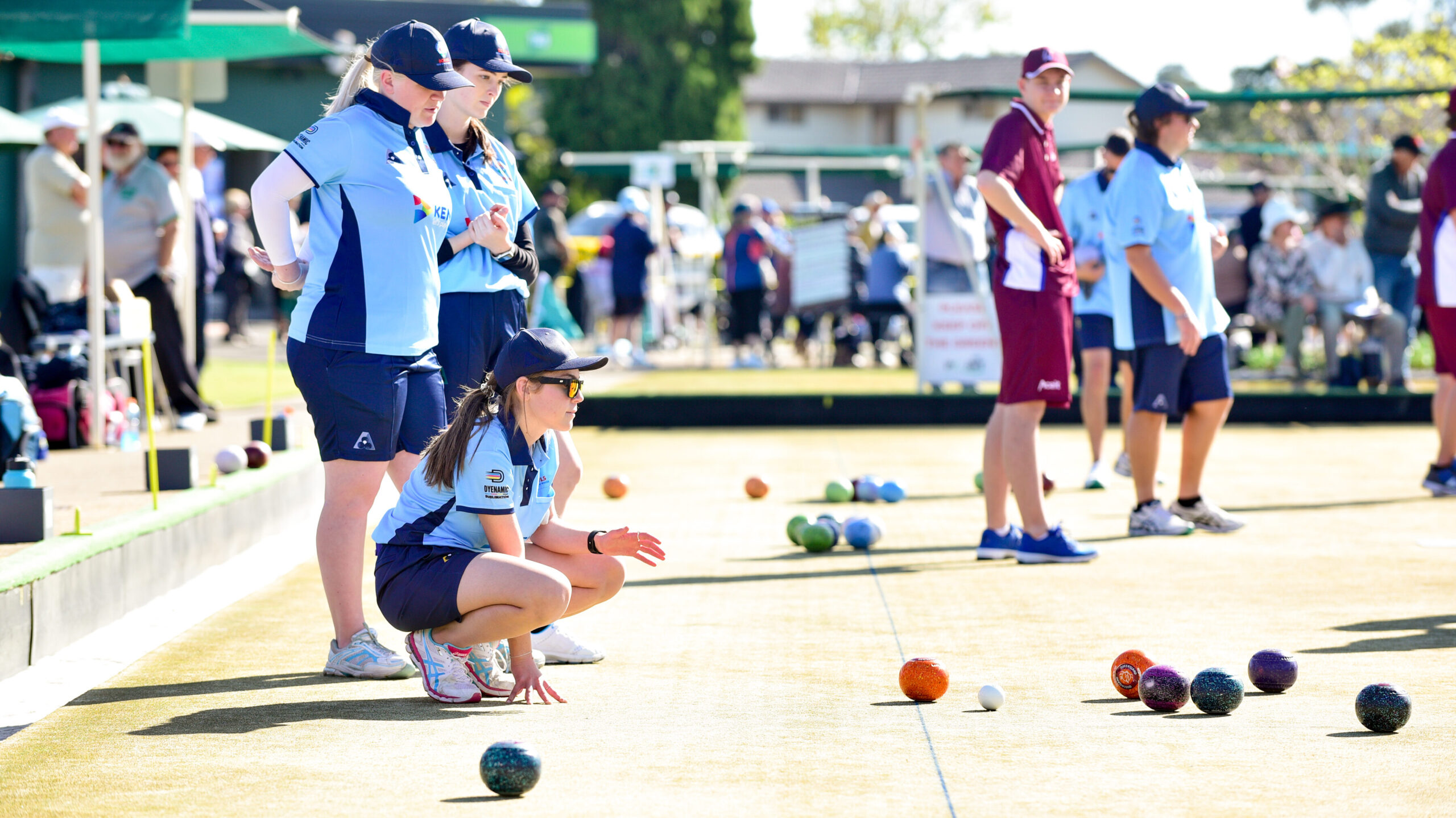
The third’s role extends beyond shot-making. Often described as the tactical engine of the team, the third is responsible for information flow and decision support. Accurate counting, clear communication, and a sound understanding of the head are essential.
When measuring or calling the count, clarity matters. A confident and factual explanation of the head allows the skip to make informed decisions under pressure. This role also requires emotional intelligence - knowing when to offer an opinion, when to remain silent, and how to support teammates during momentum shifts.
As vice-skip, this position demands leadership without dominance. The best thirds enhance the skip’s decision-making rather than compete with it, ensuring the team remains aligned and focused.
The Skip: Leadership, Strategy and Execution
The skip carries ultimate responsibility for the end and, often, the match itself. Their role is to see the bigger picture - not just the head, but the score, conditions, momentum, and emotional state of the team.
Effective skips communicate clearly and decisively. They trust their players to perform their roles while providing direction that is calm and purposeful. When it comes time to play pressure shots, great skips embrace the moment rather than fear it, understanding that leadership is as much about composure as execution.
Importantly, strong skips manage people as well as tactics. Encouragement, patience, and belief can be just as influential as a perfectly played bowl.
Making Roles Work as a Team
Teams that perform consistently well share a common trait: role clarity. Players know what is expected of them, trust each other to do their job, and avoid stepping outside their responsibility unless required. Communication is simple, expectations are aligned, and accountability is shared rather than blamed.
In coaching environments, rotating roles during training can build understanding and empathy. When players experience different perspectives, they gain a deeper appreciation of team dynamics and decision-making under pressure.
At its core, lawn bowls is a team game built on cooperation, not hierarchy. You don’t need four players trying to be the hero, you need four players committed to their role. The lead builds, the second strengthens, the third informs, and the skip decides. When each position is respected and performed with purpose, pressure reduces, confidence grows, and results follow.
Great teams aren’t defined by individual brilliance alone, but by how well each role fits together at the end of every end. Understand your responsibility, trust the structure, and let the game flow the way it’s meant to.

Want more coaching tips? Subscribe to our community or check out the "What a Load of Bowls Podcast" for fortnightly insights from top bowlers around the world.
Listen to one of our latest episodes with Aussie legend & hall of famer Mark Casey OAM...
Want to Become a Better Bowler?
Join more than 10,000 bowlers receiving regular coaching tips, practice drills and player development resources from The Bowls Academy.
We hate SPAM. We will never sell your information, for any reason.