Why Some Lawn Bowls Pairs Partnerships Just Work
THE ROLL UP - INTRO
Pairs is one of the most enjoyable and sometimes most frustrating formats in lawn bowls.
With only two players in each team, every bowl matters. There is nowhere to hide, and both players are involved in almost every tactical decision throughout the game.
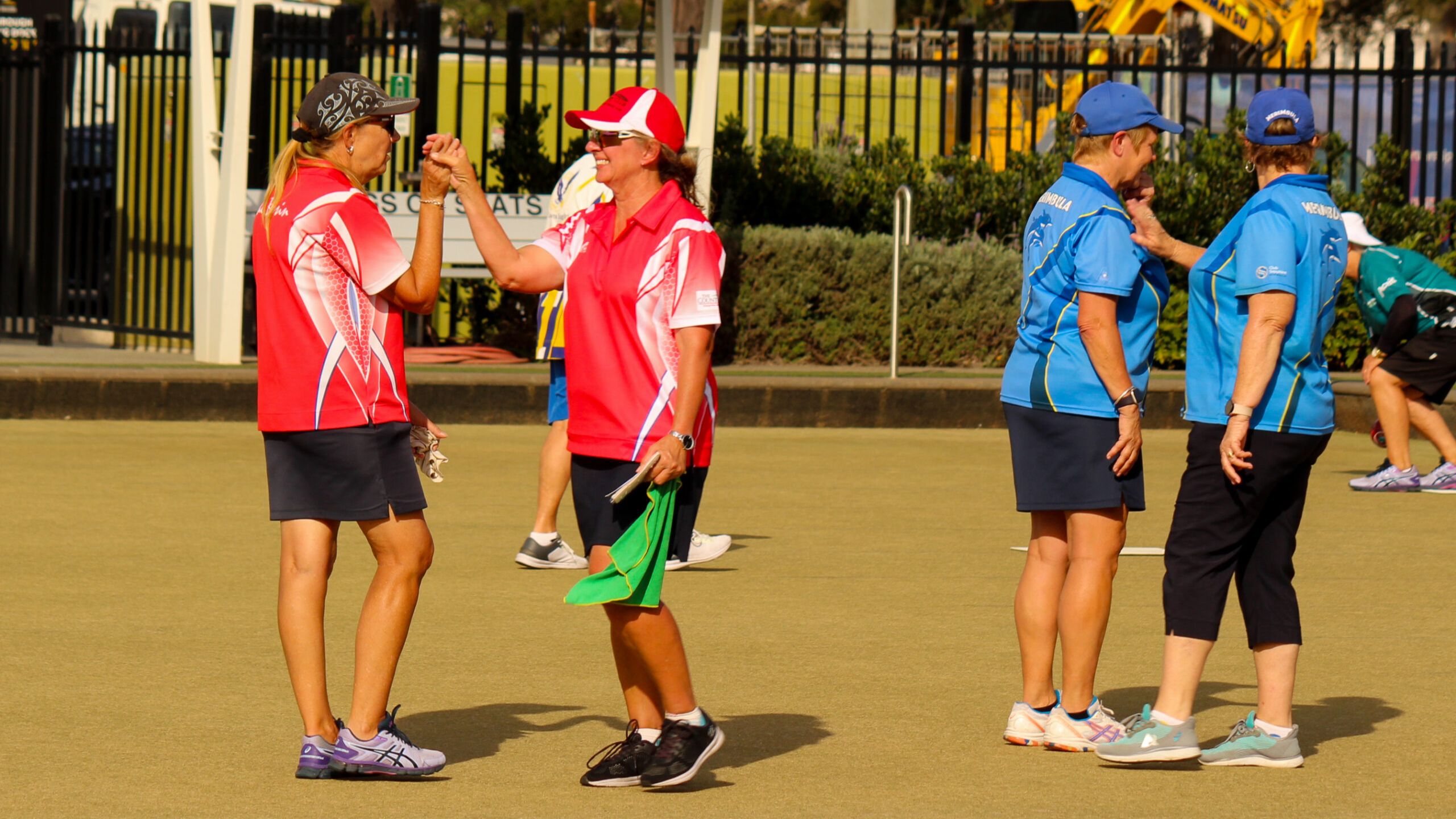
A successful pairs combination is not necessarily made up of the two most technically gifted bowlers. More often, it is two players who understand their roles, communicate effectively and know how to bring out the best in each other.
Whether you play traditional four-bowl pairs, 2-4-2 pairs or another variation, these five principles can help you build a stronger and more successful partnership.
Lawn Bowls Pairs Strategy: 5 Keys to Winning More Games
1. Build the End Before Trying to Win It
One of the biggest mistakes in pairs is trying to win the end with every bowl.
The lead’s first responsibility is to establish a strong foundation. That does not always mean resting directly against the jack. A useful bowl slightly in front, behind or alongside the jack can still influence how the entire end develops.
The lead should think about how their bowls work together.
For example, if the first bowl finishes slightly in front of the jack, the second bowl might be played slightly behind. This creates coverage and makes it more difficult for the opposition to control/change the head with one good bowl.
Strong pairs teams gradually build pressure. They do not rely on one perfect delivery to rescue every end.
Coaching focus: Before delivering your second bowl, ask yourself:
- What position has my first bowl created?
- Where would my next bowl be most valuable?
- Am I building the head?
2. The Lead Must Remain Involved
The lead’s role does not finish once their bowls have been delivered.
When positioned at the head, the lead becomes an important tactical partner for the skip. They often have the clearest view of distances, angles, resting bowls and potential jack movements.
This means the lead needs more than consistent draw bowling. A strong pairs lead should also develop:
- The ability to accurately read the head
- Confidence communicating what they can see
- An understanding of risk and reward
- The versatility to play positional bowls and controlled weighted shots
- Awareness of their skip’s preferred hands and shot types
The lead should provide useful information without attempting to control every decision.
Clear information such as, “Your closest bowl is approximately half a metre short,” or, “There is room on the backhand to draw around the front bowl,” is far more valuable than simply calling, “You’re narrow,” or, “Give it more weight.”
The skip still makes the final decision, but the lead helps ensure that decision is based on accurate information.
3. The Skip Should Play the Situation, not the Highlight Shot
The skip is often viewed as the player expected to produce the spectacular conversion or match-winning bowl.
However, good skipping is not about constantly playing difficult shots. It is about selecting the shot that gives the team the best chance of a positive result.
Before choosing a shot, the skip should consider:
- The current score in the game
- How many bowls remain
- Whether the team is holding shot
- The potential damage if the shot is missed
- The strengths of both players
- The speed and behaviour of the green
- Whether attack, defence or consolidation is required
When holding one or two shots, the best option may be to add another scoring bowl, protect the head or cover a possible jack movement.
When several shots down, the skip may need to reduce the count rather than attempting a low-percentage bowl to win the end outright.
The best tactical decision is not always the most exciting shot. Sometimes turning four shots down into one shot down is as valuable as drawing the winning bowl.
4. Keep Communication Clear, Calm and Positive
Communication is one of the greatest strengths of a successful pairs partnership.
It can also become one of its biggest weaknesses.
Too much information can create confusion. Negative body language can reduce confidence. Disagreements over shot selection can quickly affect the relationship between partners.
Strong pairs teams communicate using short, useful and consistent information.
Before the game, discuss:
- Preferred jack lengths
- How much tactical information each player wants
- How distances will be communicated
- When the lead should offer an alternative shot
- How you will respond when one player is struggling
During the game, encouragement should remain genuine and constructive.
You do not need to praise every poor bowl, but your partner should always feel that you remain confident in their ability to play the next one.
A missed bowl has already happened. The partnership’s attention should immediately move to the next delivery and the next opportunity.

5. Know Your Partnership’s Strengths
Good pairs partnerships understand what gives them their best chance of success.
This might include:
- A preferred jack length
- A particular hand that both players favour
- A lead who consistently builds strong draw heads
- A skip who is particularly effective with controlled weight
- Strong defensive play when holding shots
- An ability to change the head when behind
- Remaining patient during close, low-scoring games
Your preferred strategy should not become predictable, but it can provide a dependable starting point.
For example, your lead may not perform quite as well on short ends, but your skip may be significantly stronger at that length. Playing shorter jacks could therefore improve the overall performance of the combination.
The objective is not always to create the ideal conditions for one player. It is to create the conditions in which the partnership is strongest.
Try This Pairs Partnership Exercise
Before your next competition, separately answer the following questions:
- What are my partner’s three greatest strengths?
- What are my own three greatest strengths?
- What jack length gives our partnership the best chance of success?
- Which shots should we practise when we are under pressure?
- How can I communicate more effectively with my partner?
Compare your answers and look for common themes.
This discussion can help you develop a simple game plan while also identifying areas to work on during your purposeful practice sessions.
Winning pairs combinations are not simply two good individual bowlers wearing the same uniform.
They are partnerships.
The lead builds the platform, remains involved at the head and provides clear information. The skip reads the situation, manages risk and selects shots that suit the strengths of the team.
Most importantly, both players trust each other and remain connected throughout the game.
Developing your delivery will always be important, but improving your communication, tactical awareness and understanding of your partner could make an even greater difference to your results.

Take advantage of our FREE Download...
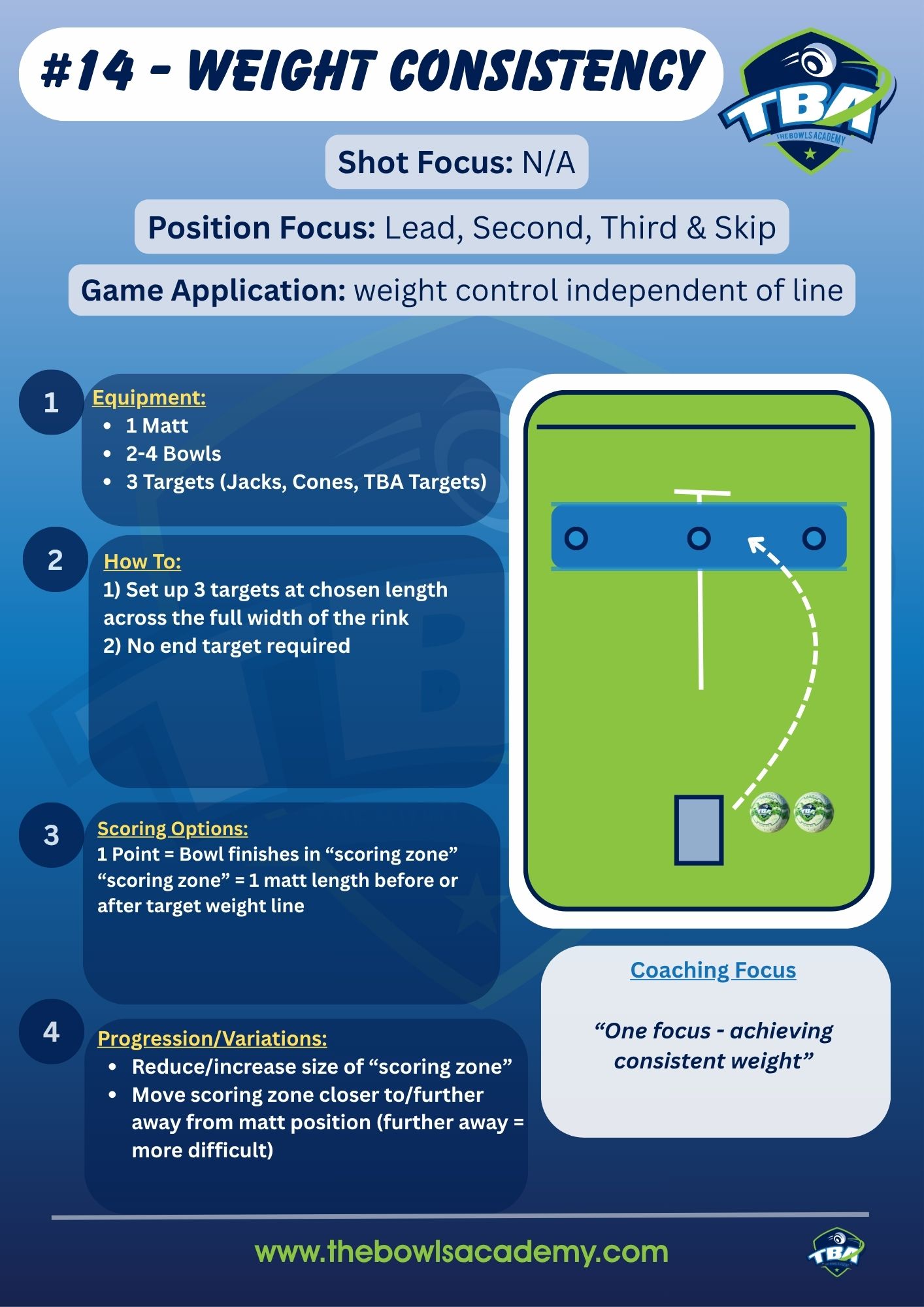
Want to improve your consistency immediately?
Download our FREE Weight & Line Consistency Drill:
👉 https://www.thebowlsacademy.com/free-weight-line-download
Want to Become a Better Bowler?
Join more than 10,000 bowlers receiving regular coaching tips, practice drills and player development resources from The Bowls Academy.
We hate SPAM. We will never sell your information, for any reason.