Don’t Just Watch the Bowls: 6 Lessons Club Bowlers Can Learn from the Australian Open
THE ROLL UP - INTRO
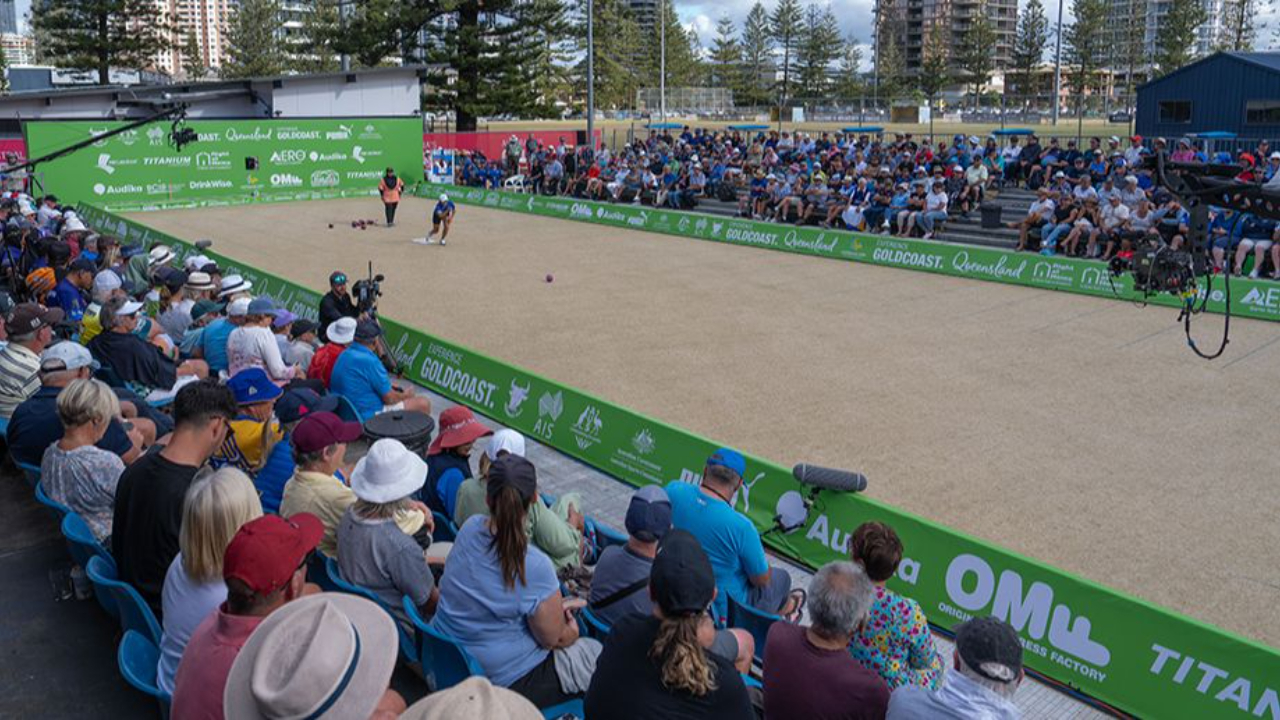
The Australian Open is one of the highlights of the lawn bowls calendar.
It brings together international stars, leading Australian players, emerging talent and thousands of everyday bowlers, all competing across clubs on the Gold Coast.
For those watching from home, it is easy to become completely focused on the result.
Who is holding shot? Who won the end? Who progressed to the next round?
But the Australian Open can offer much more than entertainment.
It is also an opportunity to study how high-performing players approach the game. Look beyond the final result and you will begin to notice the decisions, routines and habits that separate consistently successful bowlers from the rest.
That does not mean you should try to copy every delivery or play every shot you see. Elite players have developed techniques and tactical abilities suited to their own games.
Instead, watch for the principles behind what they do.
Here are seven lessons club bowlers can learn from watching the Australian Open.
Watch the Australian Open Like a Coach: 6 Lessons for Club Bowlers
1. Every bowl should have a clear purpose
One of the biggest differences between high-performing players and many club bowlers is the clarity of their intentions.
Before stepping onto the mat, good players generally know exactly what they want the bowl to achieve.
They are not simply trying to “get close.”
They may be attempting to:
- draw directly to the jack
- finish just behind the head
- cover a dangerous opposition bowl
- protect against the jack being moved
The difference may appear small, but it changes the entire delivery.
When the intended result is vague, the line, weight and commitment to the shot often become vague as well. When the target and purpose are clear, the player can commit fully to the bowl.
As you watch the Australian Open, ask yourself:
What was that bowl intended to achieve?
Do not judge the decision only by where the bowl eventually finishes. A well-planned bowl can be poorly executed, while a poorly planned bowl can occasionally receive a lucky result.
Understanding the purpose behind the shot will help you become a more thoughtful player.
The lesson for your game...
Before stepping onto the mat, describe your intended bowl in one clear sentence.
For example:
“I want to finish one metre behind the jack on the forehand.”
That is much more useful than simply telling yourself to get close.
2. Good players learn from every bowl
The best players are constantly gathering information.
Every bowl that travels up the rink tells them something about the pace, line and conditions. They watch their own bowls, their teammates’ bowls and their opponents’ bowls closely.
They notice whether:
- the green is running faster or slower in one direction
- one hand is drawing more consistently than the other
- a particular rink has a narrow or wide side
- the wind is affecting the bowl
- the bowl is holding its line
- the pace is changing as the game progresses
Club bowlers sometimes turn away as soon as a bowl leaves their hand, particularly when they know it has been poorly delivered.
That is often when the most useful information is available.
Even a bad bowl can teach you something.
The lesson for your game...
Stay engaged with every bowl until it stops.
Instead of responding emotionally, ask:
What did that bowl teach me?
The goal is not to remember every centimetre of movement. It is to collect enough useful information to make your next decision better.
3. Elite bowlers manage their misses
Even the best players in the Australian Open will miss.
They will play bowls too wide, too narrow, too heavy and too short. The difference is that their misses are often less damaging.
When possible, good players choose lines and weights that give the bowl a useful destination even when the execution is not perfect.
A missed draw shot may finish behind the jack as cover. A slightly heavy bowl may reach a valuable position at the back of the head. An attacking shot may be played on a line that reduces the chance of removing the team’s own bowls.
This is sometimes described as identifying the good area to miss.
Many club bowlers focus only on the perfect result. They picture the bowl finishing beside the jack but give little thought to what happens when it misses.
That can lead to low-percentage shots with severe consequences.
The lesson for your game...
Before playing, consider two outcomes:
- What does the perfect result look like?
- Where is the safest place for the bowl to finish if I miss?
This will not prevent mistakes, but it can make them less expensive.
Better bowls is not always about producing more perfect shots. Sometimes it is about producing fewer damaging misses.
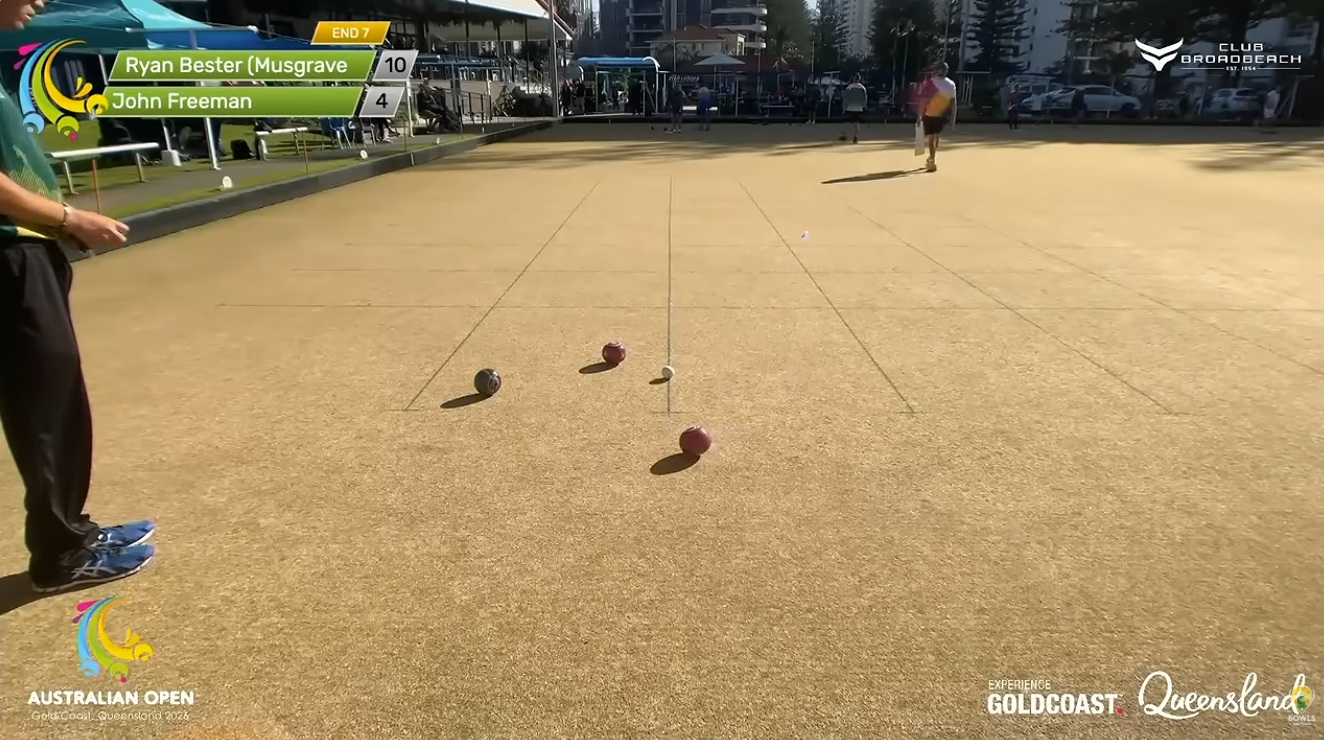
4. Shot selection changes with the situation
A bowl that is correct early in an end may be completely wrong two bowls later.
The score, number of bowls remaining, position of the jack and location of the bowls all influence the decision.
Good players constantly reassess the situation.
They understand when to:
- continue drawing
- add cover
- protect an advantage
- move the jack
- disturb the head
- accept the loss of one shot
- take a calculated risk
Club bowlers can fall into the habit of selecting shots based on preference rather than need.
A player who enjoys driving may attack too early. A confident draw bowler may continue trying to draw when the available space has disappeared. Others may attempt a difficult saving shot when accepting one against would be the smarter outcome.
The best shot is not necessarily the most impressive shot.
It is the option that provides the greatest potential reward for an acceptable level of risk.
The lesson for your game...
Before selecting your shot, ask:
- What is the end score?
- How many bowls remain?
- What is the immediate danger?
- What happens if I miss?
- Do I need to score, save, cover or attack?
Shot selection becomes easier when you identify the actual problem before searching for the solution.
5. Strong players respond differently to poor bowls
The Australian Open places players under significant pressure.
There are important matches, difficult conditions, unfamiliar opponents and moments when a single bowl can influence the result.
Every player will experience disappointment during the event. The important difference is how quickly they return their attention to the next task.
Watch what successful players do after a poor bowl.
There may be a brief reaction, but it usually does not become a long conversation with themselves. They gather information, reset and prepare for the next opportunity.
Club bowlers often carry the previous bowl with them.
They replay the mistake, question their technique and become determined to correct everything with the next delivery. That emotional response can create tension and lead to another poor bowl.
One mistake then becomes two or three.
The lesson for your game...
Develop a simple reset routine:
- Acknowledge the result.
- Identify any useful information.
- Take a slow breath.
- Return your attention to the next shot.
You do not need to pretend that a poor bowl does not matter. You simply need to prevent it from controlling what happens next.
The ability to recover is just as important as the ability to execute.
6. Consistency comes from repeatable routines
Elite players have different techniques.
Some stand tall. Some begin lower. Some use a longer backswing, while others have a compact delivery. Their footwork, timing and release points will not all look the same.
What they usually have in common is repeatability.
Their preparation before each bowl tends to follow a consistent pattern. They assess the head, select the shot, choose the line, settle on the mat and commit to the delivery.
The exact routine is personal, but the structure remains familiar.
Many club bowlers change their process from bowl to bowl.
They rush after a poor shot, take extra practice swings under pressure, alter their stance during a game or introduce a new technical thought after every mistake.
These constant changes make consistent execution much harder.
The lesson for your game...
Create a simple pre-shot routine that you can repeat regardless of the situation.
It might include:
- confirming the intended result
- selecting your line
- visualising the bowl’s path
- setting your feet
- taking one controlled breath
- committing to the delivery
A good routine does not guarantee a perfect bowl. It gives you the best opportunity to reproduce your normal delivery when the pressure increases.
Watch decisions, not just results
The next time you watch the Australian Open, try viewing the game differently.
Instead of only following the scoreboard, pay attention to the process behind each bowl.
Look at where players stand before stepping onto the mat. Notice how they use bowls behind the jack. Consider which side of the head offers the safest miss. Observe how their decisions change as the end develops.
Most importantly, avoid judging every decision only by its final result.
A bowl can miss its target and still come from a good decision. Another bowl can receive a lucky result despite being a poor tactical choice.
The more you learn to separate the decision from the execution, the better you will become at understanding the game.
Turn what you watch into purposeful practice
Watching high-quality bowls can improve your tactical awareness, but watching alone will not transform your game.
The lessons need to be taken onto the green.
The next time you practise, move beyond simply delivering bowls towards a jack. Give each bowl a purpose. Create situations that require decisions. Track your results and place yourself under enough pressure to make the session meaningful.
Need more support with your game?
Sometimes the problem is difficult to identify from inside your own delivery.
You may feel balanced and aligned, but continue missing consistently on the same side. You may understand the shot you want to play but struggle to reproduce the required line or weight.
The Bowls Academy’s Remote Delivery Analysis provides personalised feedback on your setup, alignment, balance, timing and release.
You can submit videos of your delivery from anywhere and receive practical feedback, corrections and recommended drills designed around your game.
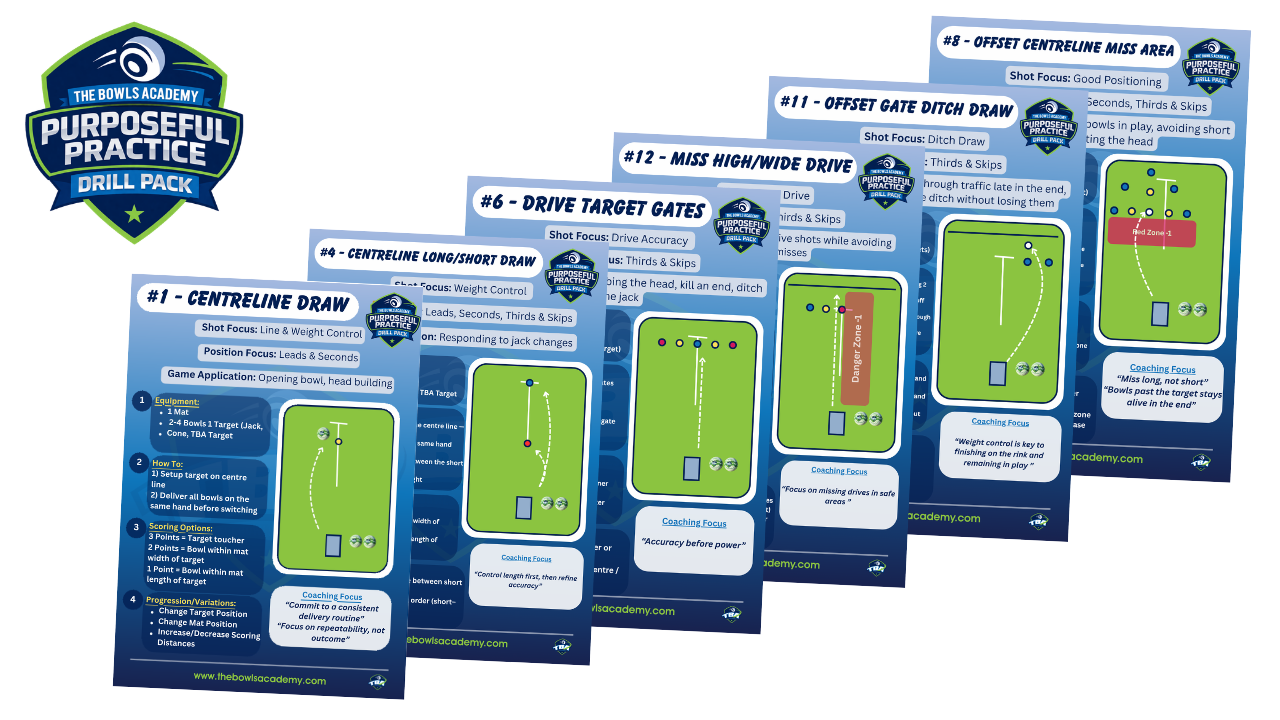
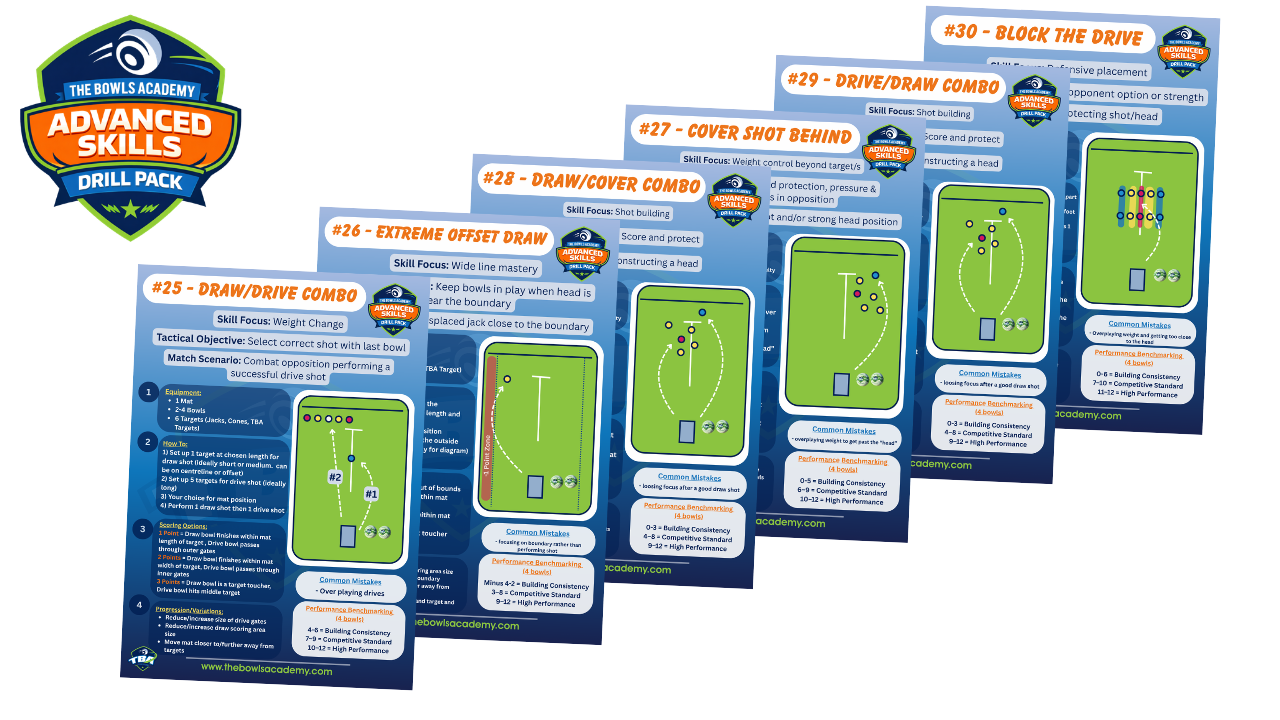
Visit our Player Development page to learn more about Remote Delivery Analysis and our downloadable drill packs.
https://www.thebowlsacademy.com/player-development
Links to Watch Australian Open
Bowls Australia YouTube Channel - http://www.youtube.com/@BowlsAus
Note - do not pay for any live stream services on Facebook or YouTube - All Bowls Australia Live Stream are free to view
The Australian Open provides a chance to watch some of the best bowlers in the game, but the real value is not found only in the spectacular drives, close finishes or final results.
It can be found in the smaller details:
The purposeful first bowl.
The useful position behind the jack.
The safe miss.
The patient tactical decision.
The calm response after a mistake.
The routine repeated when the pressure rises.
Do not just watch the bowls.
Study the decisions, recognise the habits and take those lessons back to your own game.

Take advantage of our FREE Download...
Want to improve your consistency immediately?
Download our FREE Weight & Line Consistency Drill:
👉 https://www.thebowlsacademy.com/free-weight-line-download
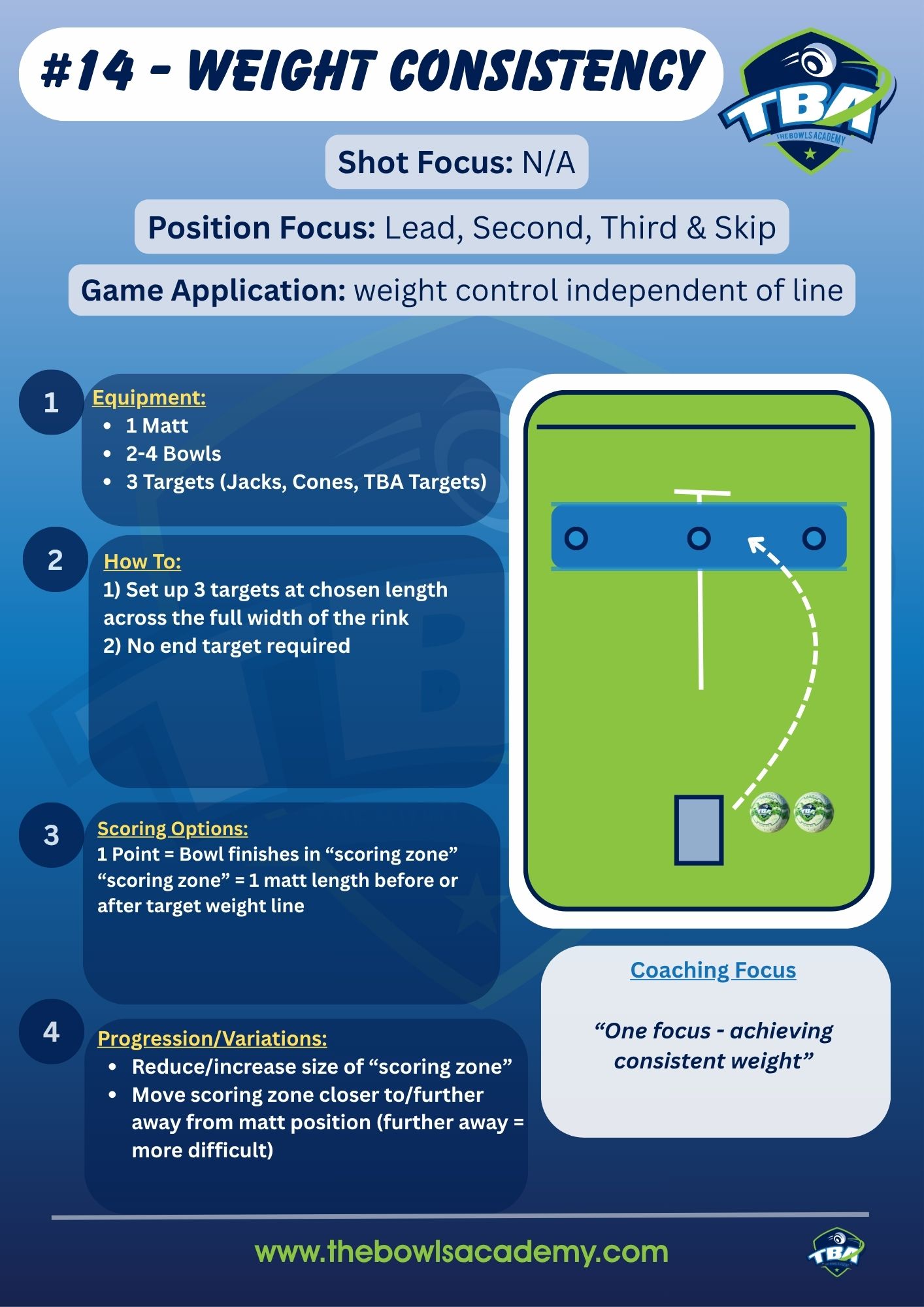
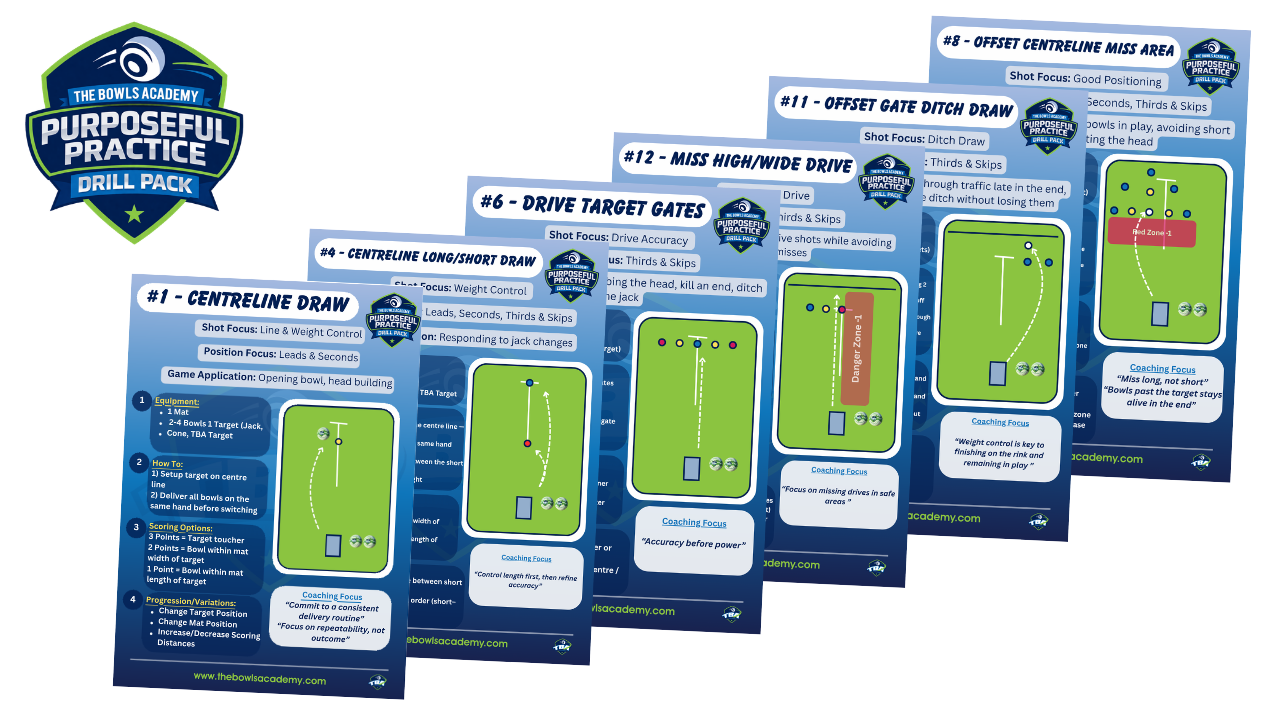
Explore the TBA Drill Pack Series or learn more about our player development programs:
👉 https://www.thebowlsacademy.com/player-development
Want more coaching tips? Subscribe to our community or check out the "What a Load of Bowls Podcast" for fortnightly insights from top bowlers around the world.
Want to Become a Better Bowler?
Join more than 10,000 bowlers receiving regular coaching tips, practice drills and player development resources from The Bowls Academy.
We hate SPAM. We will never sell your information, for any reason.