Growing the Next Generation: How to Attract and Retain Junior Bowlers at Your Club
THE ROLL UP - INTRO
Ask almost any bowls club what they would like to see more of and junior bowlers will usually be somewhere near the top of the list.
We regularly hear concerns about the ageing demographic of our sport, declining membership numbers and the challenge of introducing younger generations to lawn bowls.
But simply saying “we need more juniors” isn't enough.
Clubs need to create an environment that young people want to experience, enjoy and return to.
A successful junior development program doesn't need to begin with dozens of participants, expensive equipment or a complicated coaching structure. In fact, sometimes starting with four or five enthusiastic juniors can be the foundation of something much bigger.
The important thing is getting the experience right.
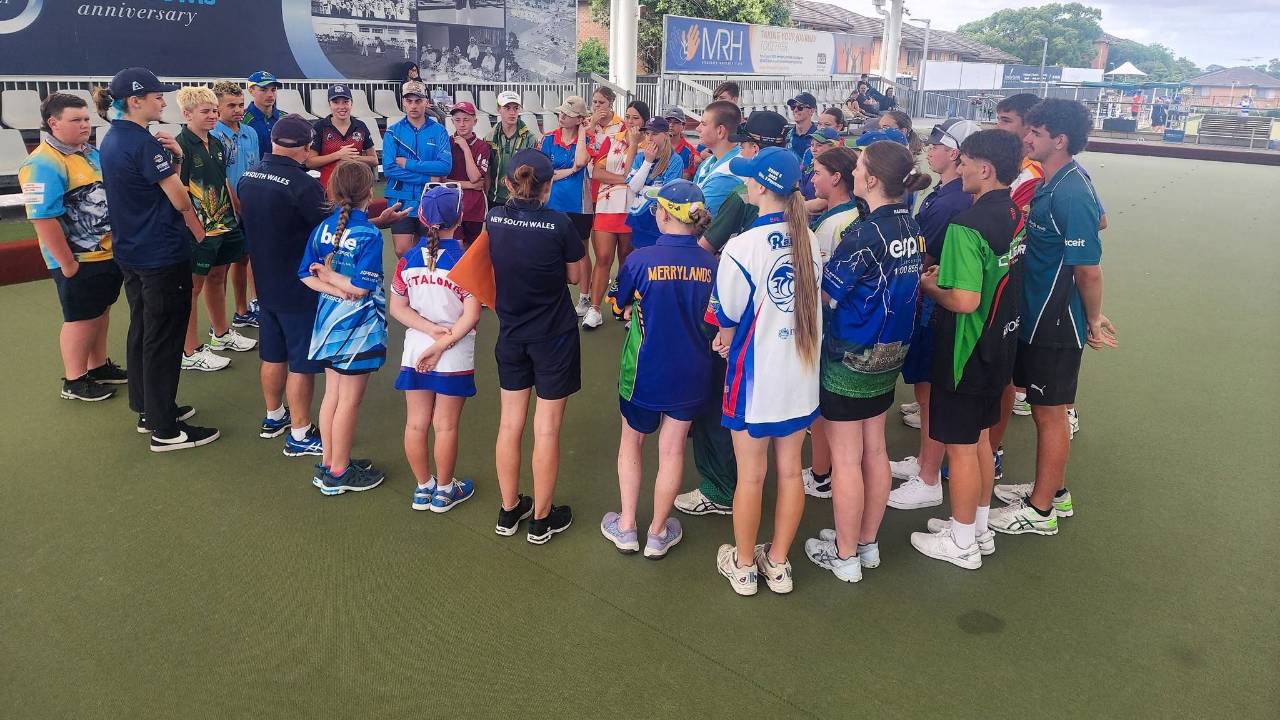
Here are some practical ideas clubs and coaches can use to attract, develop and retain the next generation of bowlers.
12 Ways Your Bowls Club Can Attract and Keep Junior Bowlers…
1. Make the First Experience Fun
For many junior bowlers, their first session could determine whether they ever come back.
Their first experience shouldn't feel like a traditional two-hour bowls coaching session.
Young players generally want to move, compete, laugh and be involved.
One of the biggest mistakes we can make when coaching juniors is having them standing at the back of a rink waiting several minutes for their next turn.
Keep everyone involved.
Instead of starting with long technical explanations, introduce bowls through activities and games.
You could use:
- target challenges
- bowls closest to a cone or marker
- team competitions
- obstacle courses
- bowls ten-pin bowling
- jack target challenges
- short drawing competitions
- points-based skills challenges
Teach the fundamentals along the way, but let the coaching happen naturally through the activity.
The goal of those first few sessions isn't to create technically perfect bowlers.
It's to make them leave the club saying:
“That was fun. When can we do it again?”
2. Start With a Short Junior Program
Rather than advertising an open-ended weekly junior coaching session, consider starting with something simple such as a:
Junior Bowls Come & Try Program
For example:
Ages: 8–16
Duration: 60–90 minutes
Program: 3 or 4 weeks
Cost: Free or very inexpensive
Equipment: Supplied by the club
A short introductory program feels like a much smaller commitment for parents.
It also gives the club an opportunity to trial different activities and see what works before establishing a longer-term junior program.
Your sessions might progress something like:
Week 1 – Discover Bowls
Introduce the basics through fun activities and target games.
Week 2 – Develop Your Skills
Introduce line, weight and simple draw-shot challenges.
Week 3 – Play the Game
Introduce short games, team competitions and match play.
From there, juniors who enjoy the experience can be invited into an ongoing development squad.
3. Minimise Standing Around
This is particularly important when working with younger participants.
If you have eight juniors and only one person bowling at a time, seven players are standing around doing nothing.
That quickly becomes boring.
Instead, set up multiple activity stations around the green.
For example:
Station 1: Draw to a target
Station 2: Weight control challenge
Station 3: Jack target game
Station 4: Obstacle or line challenge
Split the juniors into small groups and rotate them regularly.
This creates movement, variety and much greater participation.
If possible, have one coach, parent or club volunteer at each station.
Short activities of around 10–15 minutes can work extremely well.
4. Turn Practice Into Games
Junior development doesn't need to look like traditional bowls practice.
Almost every bowls skill can be turned into a game.
Instead of saying:
“We're going to practise drawing within one metre of the jack.”
Try:
“You have four bowls. Every bowl inside the target scores five points. Who can score the most?”
Suddenly practice becomes a challenge.
You can also create:
- personal best scores
- team leaderboards
- weekly challenges
- skills certificates
- achievement levels
- club junior records
The underlying coaching objective remains exactly the same.
You're simply presenting it in a way that creates more engagement.
5. Create Plenty of Small Wins
One thing coaches should be very conscious of when working with juniors is the difficulty of the activity.
If every target is extremely difficult, young players may quickly become frustrated.
Create opportunities for success.
Start with larger targets and gradually reduce them.
Start closer to the target before increasing the distance.
Celebrate improvement, not just winning.
A junior who couldn't draw within three metres of the jack in Week 1 but can consistently get within one metre by Week 4 deserves recognition.
We want younger bowlers developing confidence and seeing their own improvement.
6. Make the Club Family-Friendly
Attracting juniors isn't just about attracting the child.
You're also attracting the family.
Parents may spend an hour or more waiting while their child participates.
Think about their experience as well.
Could the club provide:
- discounted coffee
- comfortable seating
- Wi-Fi
- food options
- parent participation activities
- introductory bowls for parents
- family membership packages
Some parents may eventually become bowlers themselves.
A junior development program can therefore become a fantastic broader club recruitment opportunity.
If Mum, Dad or a grandparent enjoys coming to the club as much as the junior does, you dramatically increase the chances of that junior continuing.
7. Promote Outside the Bowls Community
One of the challenges with attracting juniors is that many clubs advertise primarily to people who already follow bowls.
To reach new juniors, clubs need to promote beyond their existing membership.
Consider approaching:
- local primary schools
- high schools
- community Facebook groups
- other junior sporting clubs
- local council youth programs
- community organisations
Schools can be particularly valuable.
You might offer a free introductory session, school sports activity or invitation to a club junior open day.
The easier you make it for someone to try bowls for the first time, the greater your chances of finding the few who really connect with the sport.
8. Give Juniors Something to Work Towards
Once juniors have learnt the basics, there needs to be a pathway forward.
Otherwise the program can become the same activities repeated every week.
Give players goals.
That could include:
- representing the club
- playing junior competitions
- club championships
- junior carnivals
- regional events
- skills challenges
- playing alongside experienced club members
- representative pathways
Not every junior wants to become an elite player and that's perfectly fine.
Some simply want to have fun with their friends.
But for those who become passionate about the sport, having a visible pathway can be extremely motivating.
9. Create Social Connection
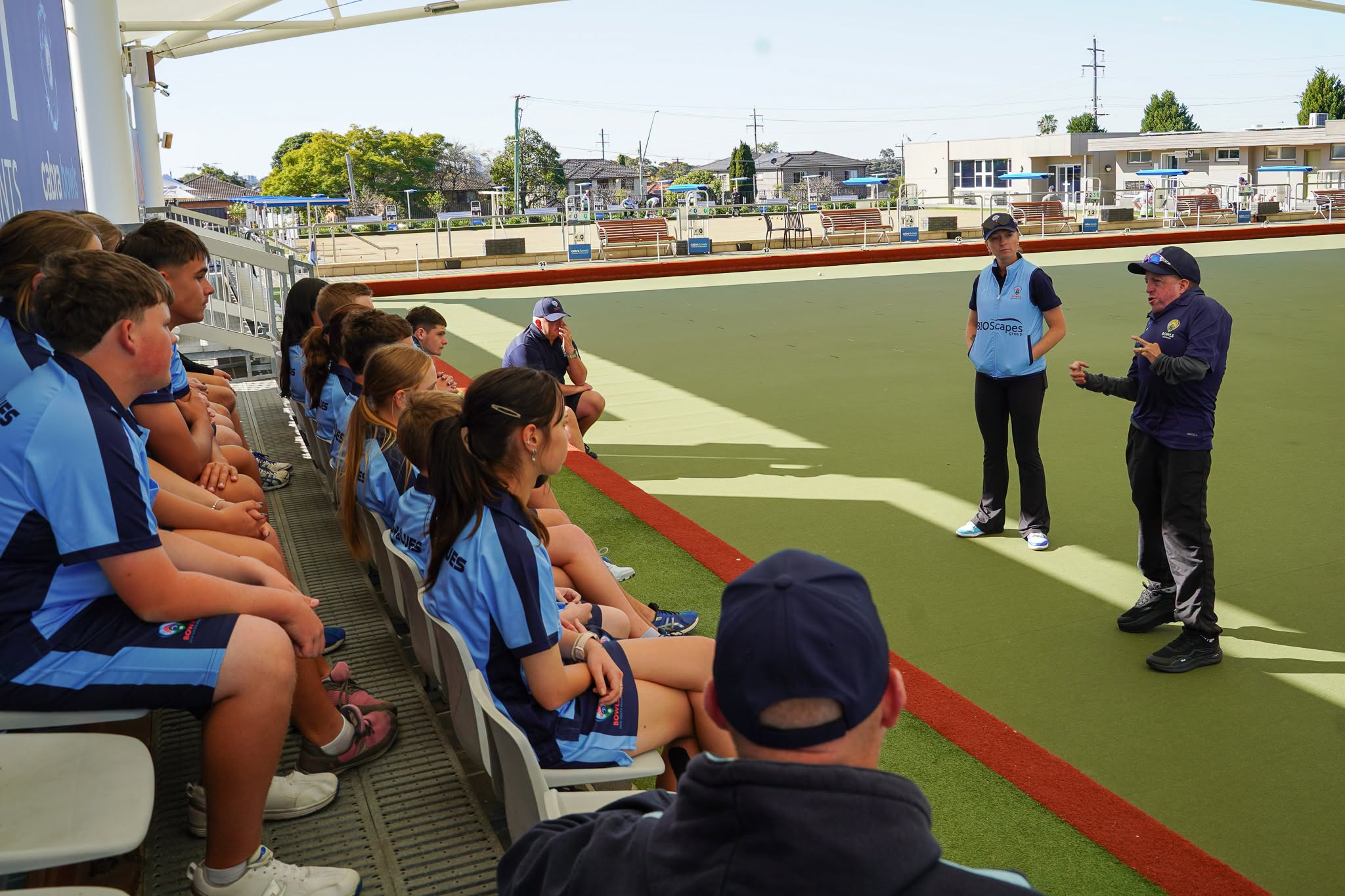
One of the biggest reasons people stay involved in any sport is the friendships they develop.
Junior bowls should be social.
Try to build a group rather than simply coaching individuals.
Team challenges are fantastic for this.
You could also finish sessions with something simple such as:
- pizza
- sausage sizzle
- drinks
- presentations
- prize challenges
- junior versus parent games
Local businesses may even be willing to provide small prizes, vouchers or sponsorship.
It doesn't need to be expensive.
The goal is simply to create an enjoyable environment that juniors look forward to attending.
10. Find the Right People to Lead the Program
The person running junior development doesn't necessarily need to be the best bowler in the club.
They need to be enthusiastic, encouraging, organised and able to communicate with young people.
Patience is important.
So is energy.
Ideally, clubs should also avoid relying entirely on one person.
Build a small junior development team consisting of coaches, volunteers, parents and club members.
That makes the program more sustainable and reduces the risk of everything disappearing if one volunteer steps away.
Naturally, clubs should also ensure all required child-safety policies, supervision requirements and relevant Working With Children requirements are followed.
11. Ask the Juniors What They Enjoy
This one is incredibly simple and often overlooked.
Ask them.
What was your favourite activity today?
What game should we play next week?
What would make the sessions better?
We sometimes design sporting programs around what adults think juniors will enjoy instead of actually listening to them.
Their feedback can tell you very quickly which activities are working.
If every junior talks about one particular competition or game on the drive home, that's probably something worth keeping in the program.
12. Don't Judge Success Only by Numbers
You might run your first junior program and attract three participants.
That doesn't mean it failed.
Imagine those three juniors have a fantastic experience, continue playing and each bring a friend several months later.
Now you have six.
Those six bring others.
Eventually you may have a genuine junior section within your club.
Building sustainable participation takes time.
A smaller group of juniors who love coming to the club every week is far more valuable than attracting 30 juniors to one come-and-try day and never seeing them again.
Retention should always be just as important as recruitment.
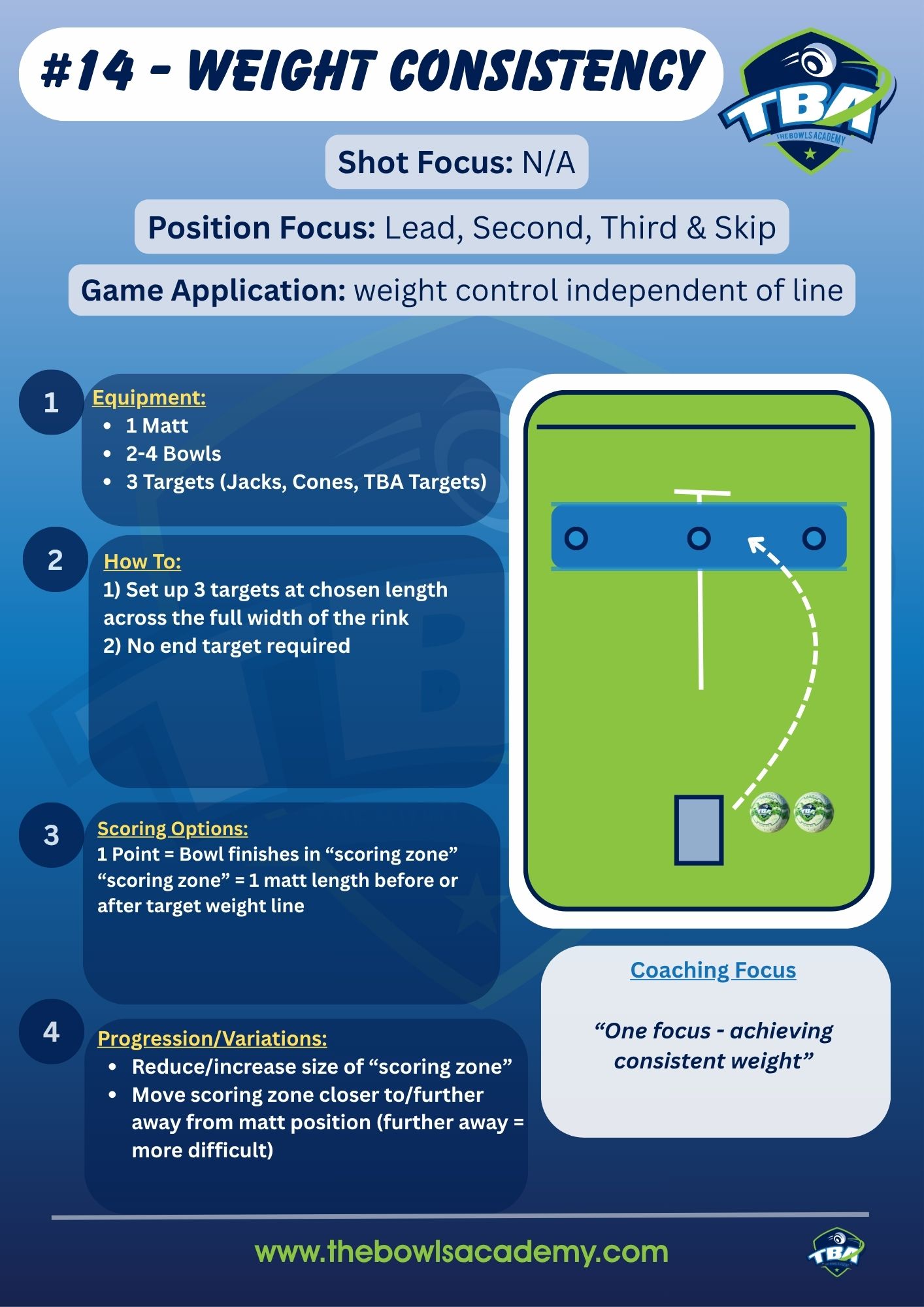
Take advantage of our FREE Download...
Want to improve your consistency immediately?
Download our FREE Weight & Line Consistency Drill:
👉 https://www.thebowlsacademy.com/free-weight-line-download
Want to Become a Better Bowler?
Join more than 10,000 bowlers receiving regular coaching tips, practice drills and player development resources from The Bowls Academy.
We hate SPAM. We will never sell your information, for any reason.